
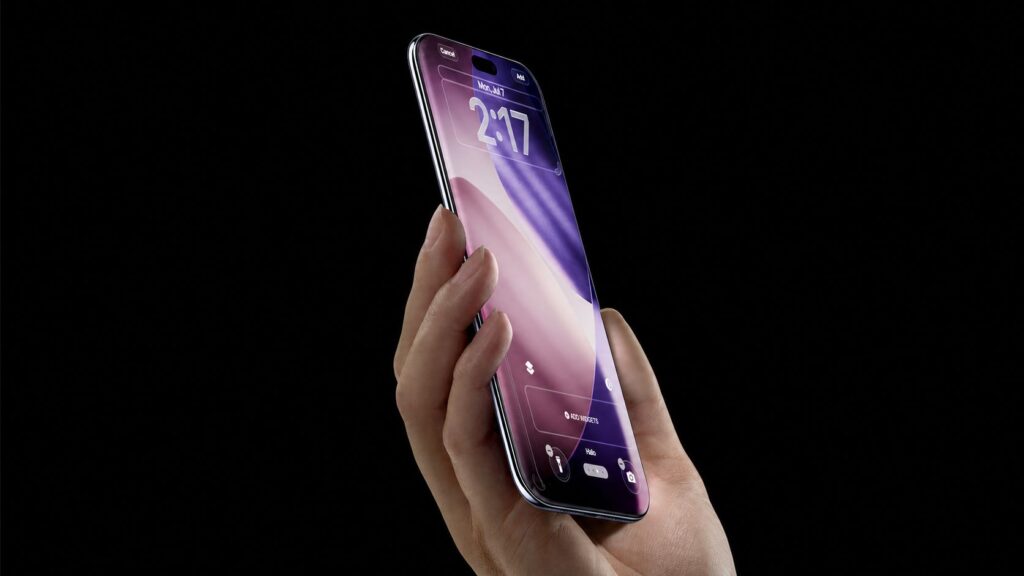
Apple’s 20th Anniversary iPhone is expected to arrive in fall 2027 with the most significant design overhaul the device has seen since the iPhone X.
In many ways, the device is expected to repeat the history of the iPhone X, which marked the device’s 10th anniversary in 2017 by removing the Home button and introducing an edge-to-edge display. The 2027 model is rumored to overhaul the design language that has defined the iPhone since then and will likely define the model for years to come. The device is most likely launching in fall 2027 alongside the second-generation foldable iPhone.
All-glass design with curved screen
Glass is at the center of the redesign. BloombergMark Gurman of described a curved iPhone made primarily of glass, with no cutouts in the screen, with a return to a glass back and curved glass that wraps around all four edges of the device. It would be the clearest expression of former design chief Jony Ive’s ambition for an iPhone that looks like a single sheet of glass. Apple’s supply chain facilities have reportedly completed renovations ahead of production, with build quality said to be comparable to the first-generation iPhone Air.
Rather than the aggressive “waterfall” edges that Samsung has used on its Galaxy phones for years, Apple is reportedly looking for an equal-depth quadruple curved panel that keeps the curve very shallow, using what are called “micro-curves” rather than a deep roll on the sides. The softer shape could make swipes from the edge of the screen more natural, prevent distortion of on-screen content, and help the device feel softer in the hand.
The effect may depend on more than just physical curvature. Leaker “Ice Universe” suggested that it is different from traditional curved quad displays or curved screens seen on Android phones, and could depend on a combination of optical refraction, light-guiding structures and a carefully designed visual illusion to push back the frame of view. Apple could reflect this theme in its branding, with one report claiming it could market the panel as a “liquid glass display”, echoing its current software design language. An unverified mockup, shared by an account with an unproven track record, depicted a bezel of just 1.1mm around the screen, compared to around 1.44mm on the iPhone 17 Pro.
No dynamic island?
The front of the device remains the most uncertain aspect of the design. Apple reportedly wants a faceplate without any cutouts, moving both the Face ID system and selfie camera under the display, with one report describing a “spliced micro-clear glass” window that would allow Face ID’s infrared sensors to pass through the panel. However, DSCC’s Ross Young said it’s unlikely the technology will be fully ready for 2027, and while Apple is still testing an under-display camera, it seems likely that a small holeshot or scaled-down version of the smaller Dynamic Island expected on the iPhone 18 Pro models could remain.
Two size options
Apple is reportedly planning two anniversary models of around 6.3 and 6.9 inches, corresponding to the iPhone 18 Pro and Pro Max, but the larger one could be slightly larger and marketed as a 7-inch device due to its thinner bezels.
Fine, polished frame.
The frame is expected to be a thin polished strip, although its material remains uncertain. There have been rumors of a switch from the aluminum used in Apple’s current models, but leaker Fixed Focus Digital has pushed back against claims that Apple is plotting a return to titanium or a switch to liquid metal, arguing that aluminum remains the only practical choice for now given the heat generated by AI processing on the device. The same leaker described aluminum as the specific material for “straight-edged” phones, a distinction that leaves room for a different approach on the curved-edged anniversary model.
Haptic buttons
Apple is rumored to be revisiting solid-state haptic buttons for the device. The company is reportedly reviving the long-abandoned “Project Bongo” effort to replace the mechanical side button, volume buttons, action button and camera control with haptic equivalents built into the frame, without any physical movement when you press them.
Removing the physical openings required by mechanical buttons would suit a device intended to look like an uninterrupted piece of glass, and the buttons would have passed tests of use with gloves, wet hands, extreme temperatures, and with a case installed. An ultra-low power microprocessor is said to keep them running even when the handset is turned off or the battery is depleted.
