iPhone 17 price contributed to Apple Buck smartphone decline in China in Q2
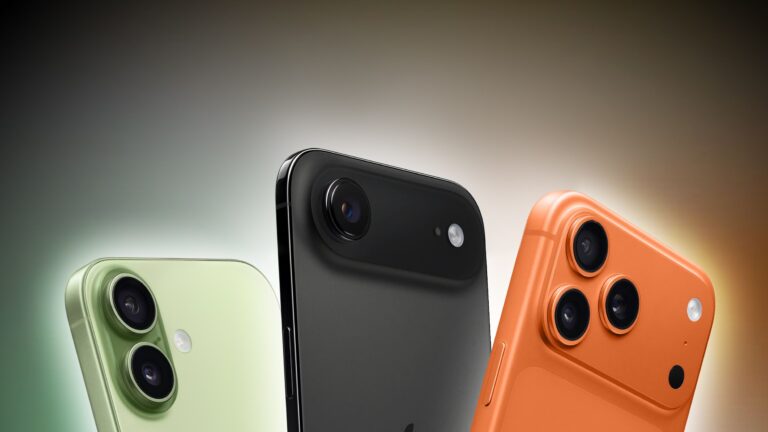
Apple increased its iPhone shipments in China by 24.4% year-over-year in the second quarter of 2026, making it the fastest-growing smartphone brand in a market that has shrunk overall, according to preliminary figures released today by research firm IDC.
Total shipments in China fell 4.3 percent to around 66 million units, representing a fifth consecutive quarter of decline. Apple and Huawei were the only major vendors to grow, with Huawei increasing 19.4 percent.
Apple’s share of the Chinese market increased from 13.9% to 18.1% year-on-year, just behind Huawei’s (22.6%). Meanwhile, Xiaomi suffered the steepest decline among major brands, with shipments down 21.7 percent.
IDC attributes much of the market divergence to how vendors have responded to rising memory and component costs as AI infrastructure develops. Most Android vendors increased their prices starting in late March, but Apple and Huawei kept theirs, introducing targeted promotions instead.
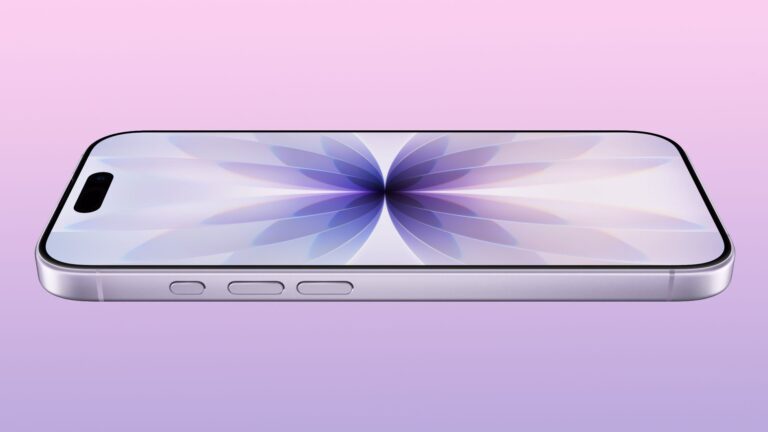
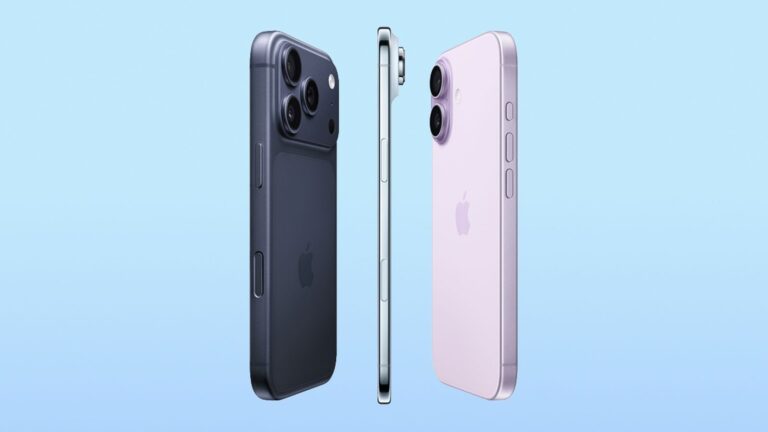
On top of that, Huawei has continued to expand its lineup to cover a larger share of the market, while Apple’s early warnings of upcoming price increases in the second half of the year have encouraged some buyers to purchase the iPhone 17 series models earlier than they otherwise would have. “This gave hesitant buyers a reason to go ahead and buy,” said Arthur Guo, an analyst at IDC.
This growth came despite a weak market in June, with smartphone sales during China’s “618” shopping festival falling nearly 15% compared to the same period in 2025.

IDC says it expects the situation to deteriorate over the next two years. As suppliers reduce inventories of cheaper components, the company forecasts that the year-over-year decline in China could widen to around 20% in the second half of 2026, just when Apple is expected to launch its new iPhone 18 Pro models and its first foldable iPhone. Storage prices are unlikely to decline significantly before 2027, and a broader recovery is not expected until 2028 or 2029, IDC estimates.
On the positive side, the research firm believes that customers are postponing upgrades rather than abandoning smartphones, so the lagging demand should return in time. On this basis, a recovery could occur around 2028-2029, as a new replacement cycle approaches.