
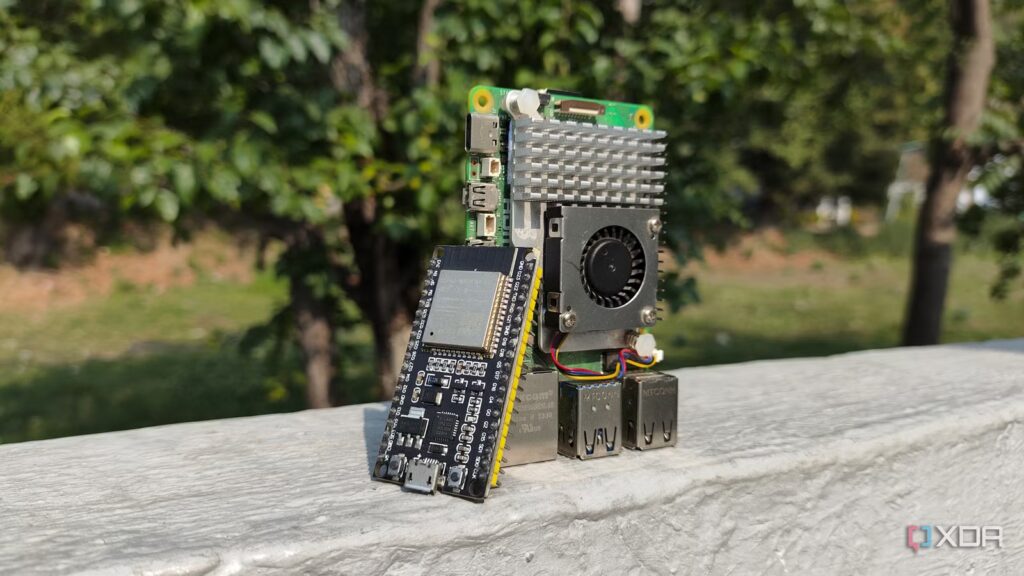
Although a fan of the Raspberry Pi as a teenager, I am starting to be disappointed by this family of single-board computers. After all, rival boards, especially those based on the x86 architecture, have become significantly cheaper over the years, while prices for mainstream RPi SBCs have skyrocketed without offering any tangible benefits in DIY projects. While I still have a collection of Raspberry Pi systems that I’ve purchased over the years, I stopped buying them after the RAM shortage pushed their prices into the red zone and switched to older thin clients for server experiments.
When it comes to the smart home, however, I’ve moved on to microcontrollers. To be specific, I started using ESP32 boards for the majority of my smart home experiments. Yes, I am aware that microcontrollers and SBCs are totally different technologies, but the former are not only more cost effective, but they are also easier to program and provide better compatibility with my sensor modules.
6 Projects You Can Complete in a Weekend With the $5 ESP32
The ESP32 is affordable and powerful, and you can do a lot of things with it.
ESPHome turns the ESP32 into a DIY champion for Home Assistant projects
Bluetooth proxy is by far my favorite use case for this little system
Unlike the easy-to-access operating systems and better specs of Raspberry Pi SBCs, ESP32 systems contain a built-in operating system: one must be programmed before I can execute the correct instructions for my projects. On paper, this makes the Raspberry Pi easier for beginners to master, but the added processing overhead of a full-fledged operating system can be an issue when your smart home projects require minimal latency. However, I rely on ESPHome for my Home Assistant experiments, and this handy app makes tinkering with this line of microcontrollers much more bearable.
For starters, ESPHome supports simple YAML syntax, so I don’t have to rack my brain trying to code functional instructions in C++. Add in OTA updates, solid compatibility with circuit gadgets, and the fact that it integrates directly into Home Assistant, and you can see why I hold ESPHome in such high regard.
Hell, my Bluetooth proxy is a great example of how this microcontroller has become an indispensable part of my smart home setup. I have a bunch of smart devices that can be controlled via Bluetooth, but the short range of typical adapters made it a little difficult to control everything from my Home Assistant hub. Since the ESP32 supports both Wi-Fi and Bluetooth, I can keep it close to my smart gadgets and use Wi-Fi to pair the microcontroller (and by extension, any devices connected to it) with my Home Assistant server.
It becomes an automation powerhouse with the right sensors
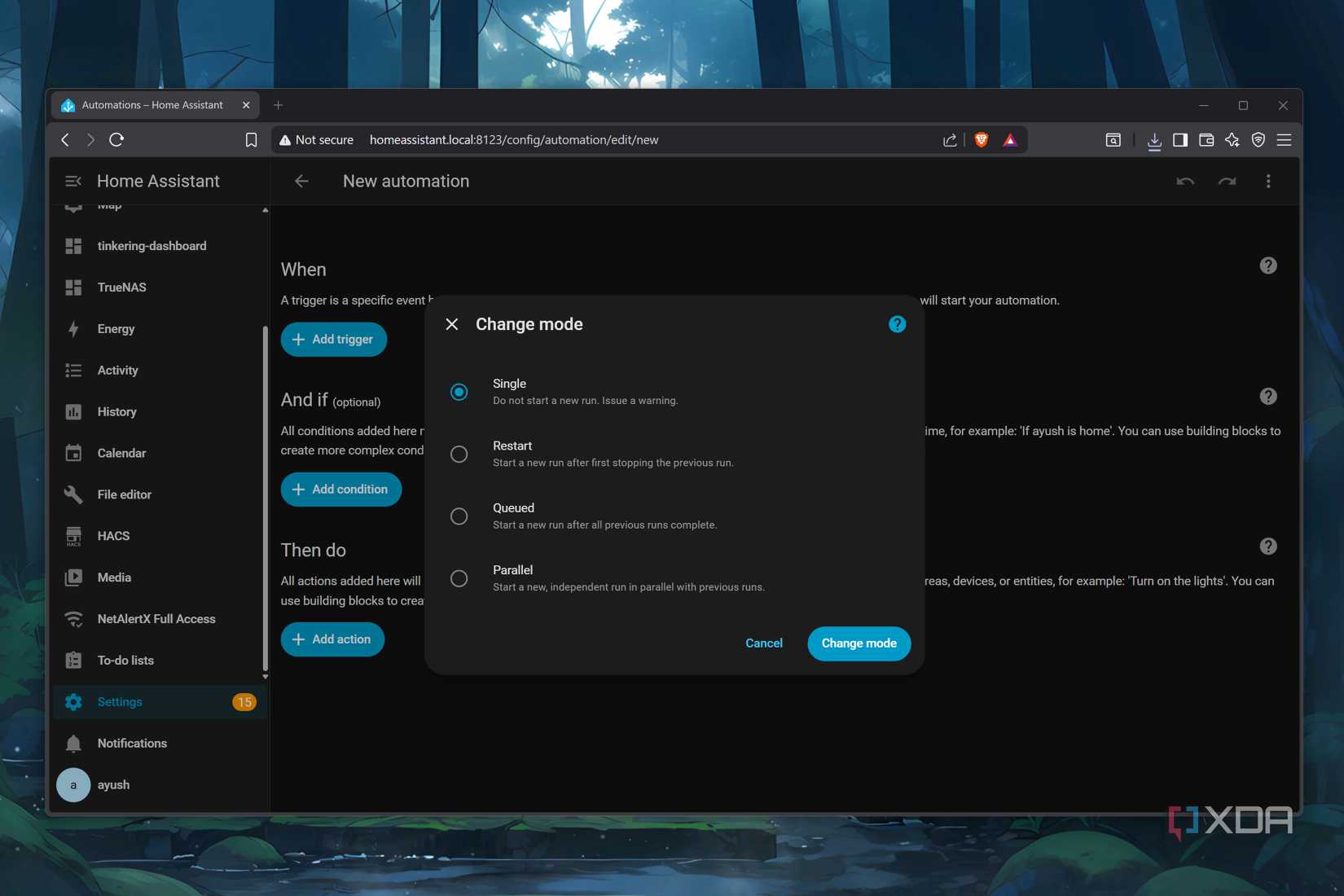
Besides its Bluetooth capabilities, the ESP32 integrates well with typical sensor modules. Just like the Raspberry Pi, I can connect it to my humidity, temperature, and pressure sensors, although its smaller form factor, lower power consumption, and cheap price make the ESP32 a better option for a DIY weather station. Better yet, it’s much easier to pair the projects I’ve set up through ESPHome with Home Assistant – and that opens the doors to some truly wacky automations.
For example, I can connect some air quality detectors to my ESP32, transmit the readings collected by that setup into my Home Assistant hub, and use those readings to force the air purifiers to work their magic. Likewise, arming my ESP32 with motion sensors allows me to create trigger rules that come to life upon detecting a presence in the rat’s nest of a home lab. Or, I can even try something as crazy (and incredibly practical) as a vibration sensor + ESP32 combo that turns on my server nodes when I slap the table.
But an ESP32 is just as effective for creating DIY dashboards
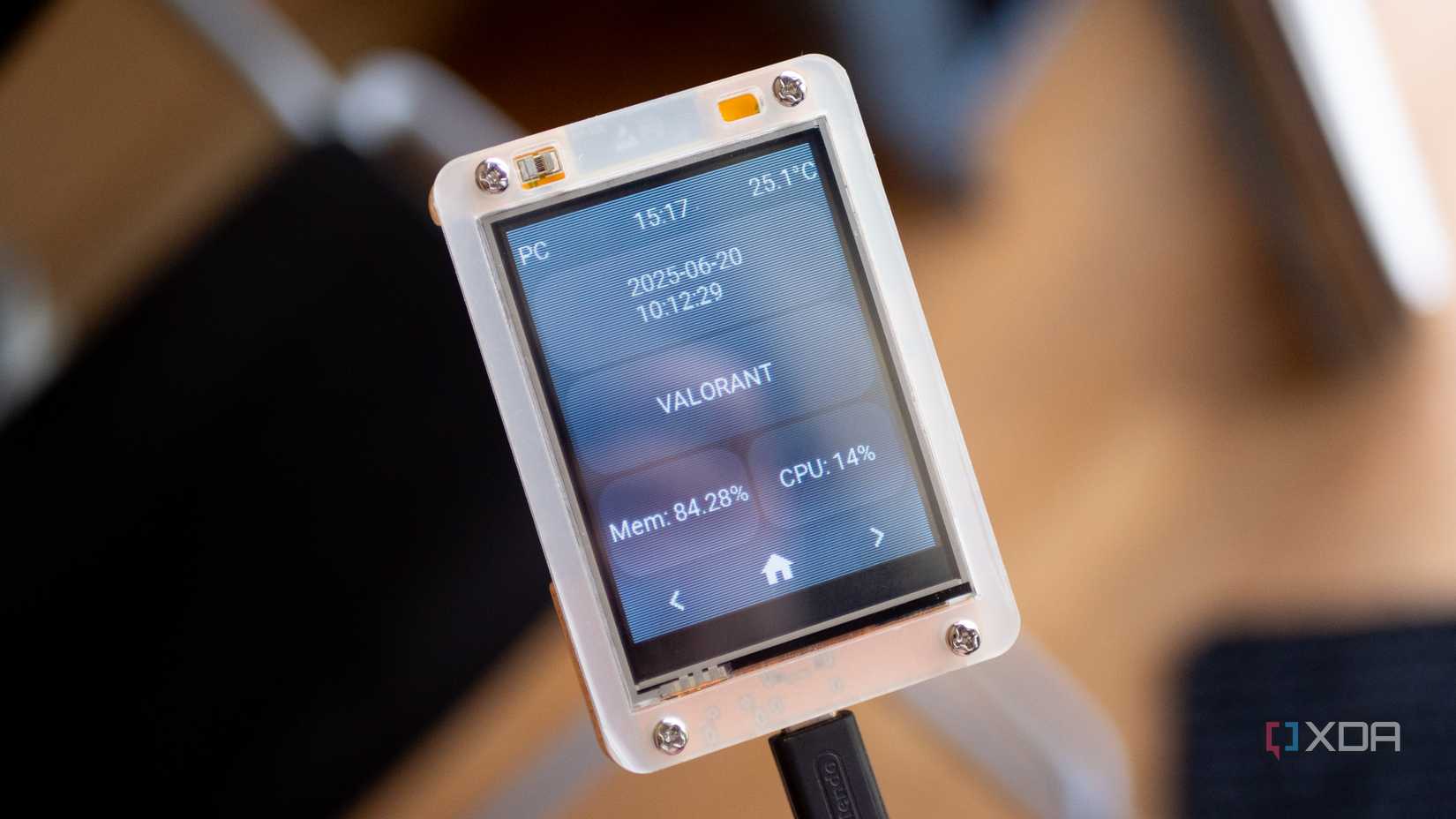
Since the ESP32 consumes virtually no power, it is arguably the most efficient way to create dashboards involving small displays, full-fledged e-ink monitors, and LED dot matrix panels. And I’m not talking about simple dashboards showing Home Assistant UI elements, either. Using the HASS.Agent app, I can stream virtually anything from my PC to my ESP32 displays, including its resource consumption metrics.

4 Raspberry Pi alternatives that actually make sense in 2026
Not every DIY project needs a Raspberry Pi
The ESP32 also costs significantly less than a Raspberry Pi SBC
For hardcore projects, I prefer to rely on x86 machines rather than RPi cards
While I could technically create most of these projects on a Raspberry Pi, the real selling point of the ESP32 is its cheap price. Since a single ESP32 often costs $5 when I buy three or four, I can get a dozen of these microcontrollers for the same price as a primary Raspberry Pi SBC. Hell, probably more than a dozen, because the RAM apocalypse has caused a massive price hike for every non-zero Raspberry Pi single-board computer.
That said, the main series has a few projects that I cannot reproduce with the ESP32. Running the Home Assistant instance is one of them, and so is creating a Frigate stack to manage surveillance footage. But at this point I’d rather look at x86 systems. More precisely, old thin clients and mini-PCs equipped with the good old N100 chip, because it is much more efficient than the SBC.
- Brand
-
AITRIP
- Connectivity Features
-
UART, USB
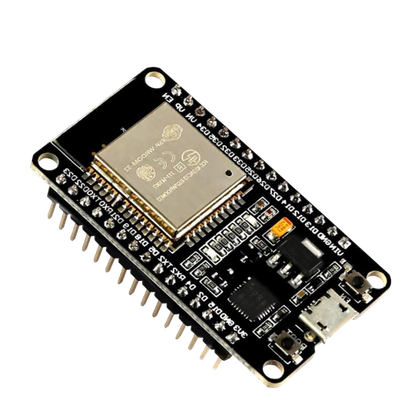
The ESP32 is a fantastic development board that combines solid specifications with an affordable price. Although it is cheaper than the Arduino and Raspberry Pi Pico, it outperforms most of its competitors. Additionally, the ESP32 even integrates Wi-Fi and Bluetooth functionality into each board, making it ideal for projects where you can’t physically keep the microcontroller connected to your PC at all times.
