HomeView Showcases These 5 Privacy Features
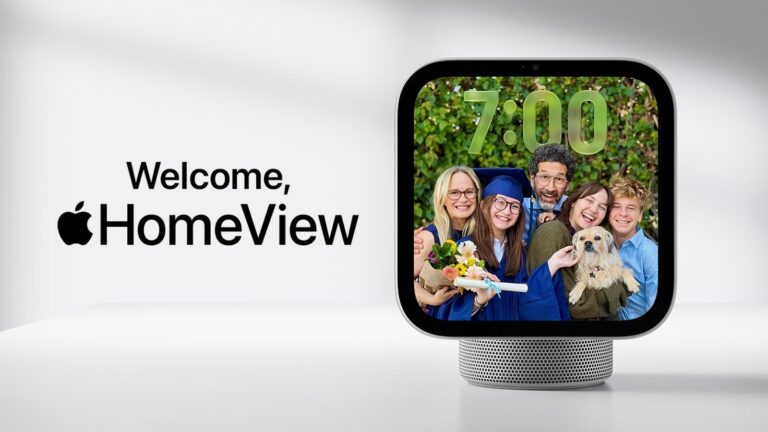
Apple uses a number of methods to keep HomeView users’ personal information private, even when an entire household shares the device.
The device recognizes up to six people, giving each their own home screen with personalized apps and widgets. Apple says personal content remains private for each user, while shared photo albums and music can remain accessible to everyone in the household, including guests.
For content from apps like Messages and Calendar to appear, HomeView must recognize the registered user’s face, and their paired iPhone or iPad must normally be present and recently unlocked.
There is an exception when the paired iPhone or iPad disconnects from Wi-Fi. Personal information may remain accessible if HomeView still recognizes the user and the paired device was recently connected to the same Wi-Fi network, has an active cellular connection, remains in the same location, and was recently unlocked.
The HomeView’s A18 chip includes Secure Exclaves, which is a protected processing environment that manages camera and microphone data separately from the rest of the system. Apple says the chip’s isolation features prevent other components from accessing these environments. According to the company, the data processed and analyzed within Secure Exclaves is not accessible by HomeView software, applications, users or Apple itself.
Siri requests have their own privacy protections. The HomeView can handle requests on the device or use Private Cloud Compute, Apple’s system for processing requests in the cloud. Apple claims that data processed through Private Cloud Compute is neither stored nor made accessible to Apple or anyone else.
HomeView also works with compatible smart home cameras to provide end-to-end encrypted recognition of people, familiar faces, pets, packages and vehicles with a supported iCloud+ subscription.