Apple Watch accounts for 90% of AI smartwatch shipments
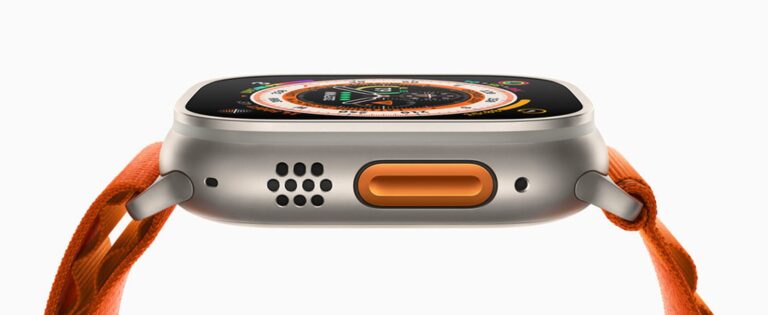
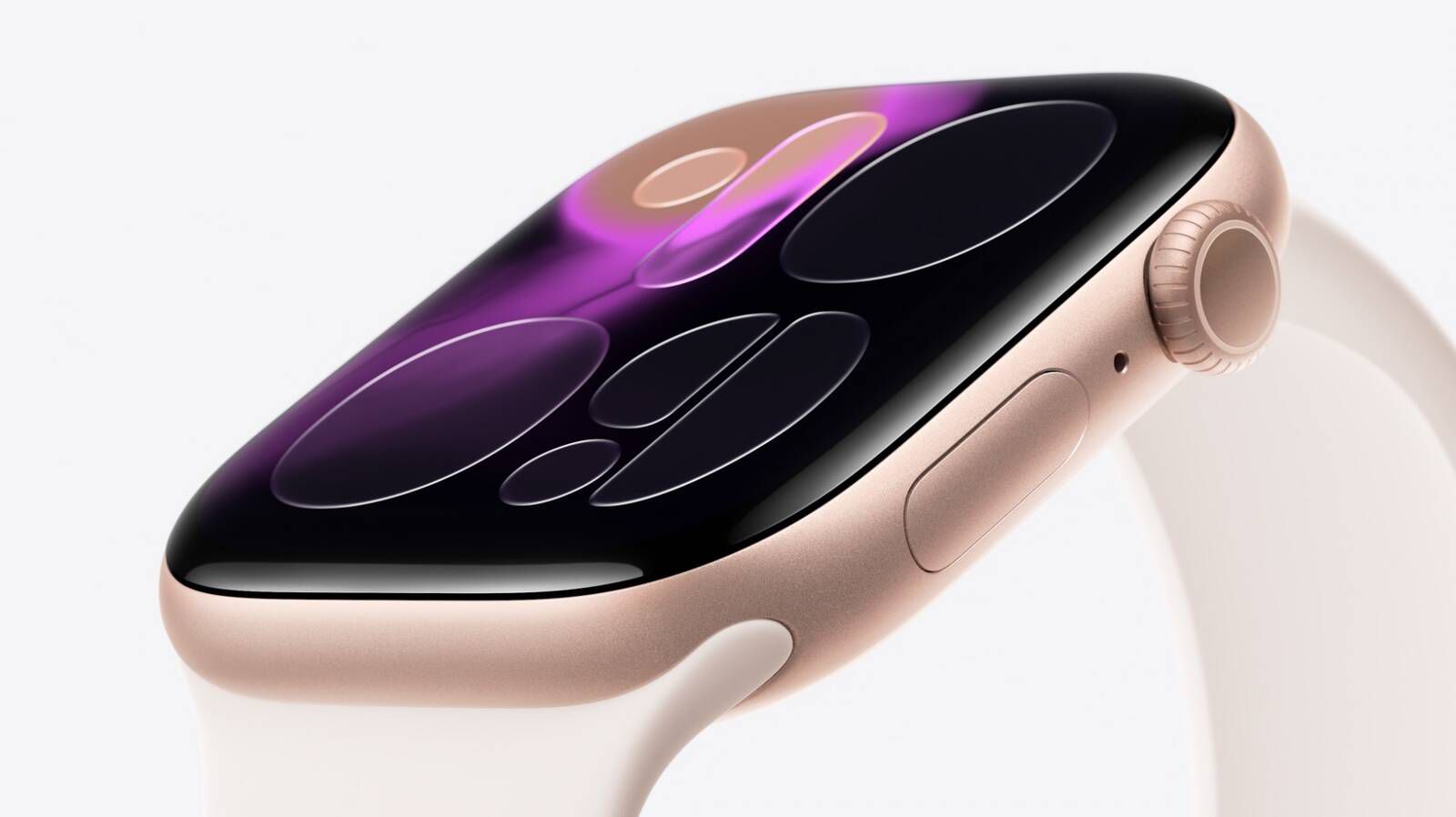
Apple accounted for approximately 90% of all Edge AI-enabled smartwatch shipments in the first quarter of 2026, according to new data from Counterpoint Research.
This dominance occurred as Edge AI’s penetration of the broader smartwatch market grew 70% year-over-year, reaching 25% in the first quarter of 2026, according to Counterpoint’s Global Smartwatch Shipments Tracker.
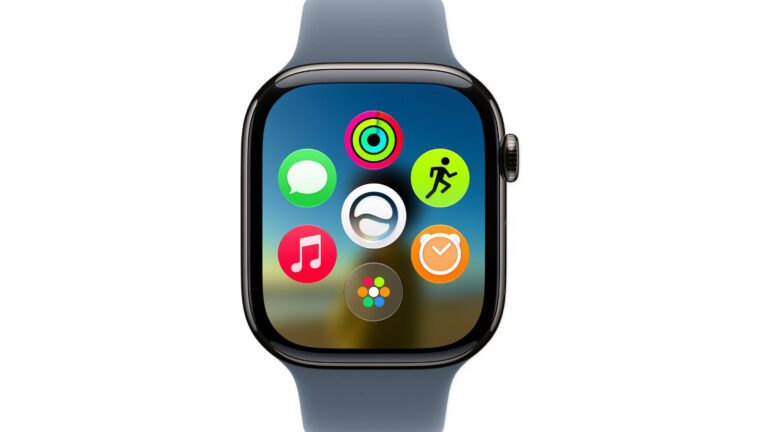
“Edge AI” refers to artificial intelligence that runs directly on a device’s own chip rather than being processed on remote servers. On the Apple Watch, this means that the built-in neural engine handles tasks like recognizing an irregular heartbeat or detecting a fall in the moment, without first sending data to a paired iPhone or the cloud. Anshika Jain, Principal Analyst at Counterpoint Research, said:
Brands are continually improving their smartwatch hardware to make the devices more AI-enabled. Edge AI integration provides real-time health insights and faster responses while helping to ensure data privacy. Currently, Edge AI penetration remains limited to major brands, with Apple alone accounting for approximately 90% of Edge AI smartwatch shipments in Q1 2026.
Health and fitness monitoring remains the primary use case for Edge AI on smartwatches. Counterpoint data shows blood pressure monitoring shipments doubling and sleep apnea detection tripling year-over-year, with brands now apparently turning their attention to diabetes detection.
Apple’s lead dates back to 2023, when it introduced the S9 chip with a 4-core neural engine specifically designed for on-device machine learning in the Apple Watch. Huawei only followed with comparable silicon in 2025, launching its own Kirin W80 chip to locally power its “Celia” voice assistant, and Qualcomm is only entering the race this year with its Snapdragon Wear Elite platform. Google is also reportedly preparing its own Tensor-based wearable chip, although it has yet to ship.
Counterpoint notes that a software alternative to dedicated NPUs is also emerging, with Ambiq’s Apollo platform running AI inference on vector core silicon via Arm’s Helium extensions rather than purpose-built neural hardware. This approach remains niche compared to Apple’s dedicated chip strategy, but it could eventually help cheaper smartwatches offer some Edge AI features without the silicon that Apple has spent years building into its devices.
Counterpoint only classifies a smartwatch as Edge AI-enabled if it has a neural engine or NPU on board and at least one of its health, safety, or interaction features actually runs its inference on that chip, rather than just including the hardware.