
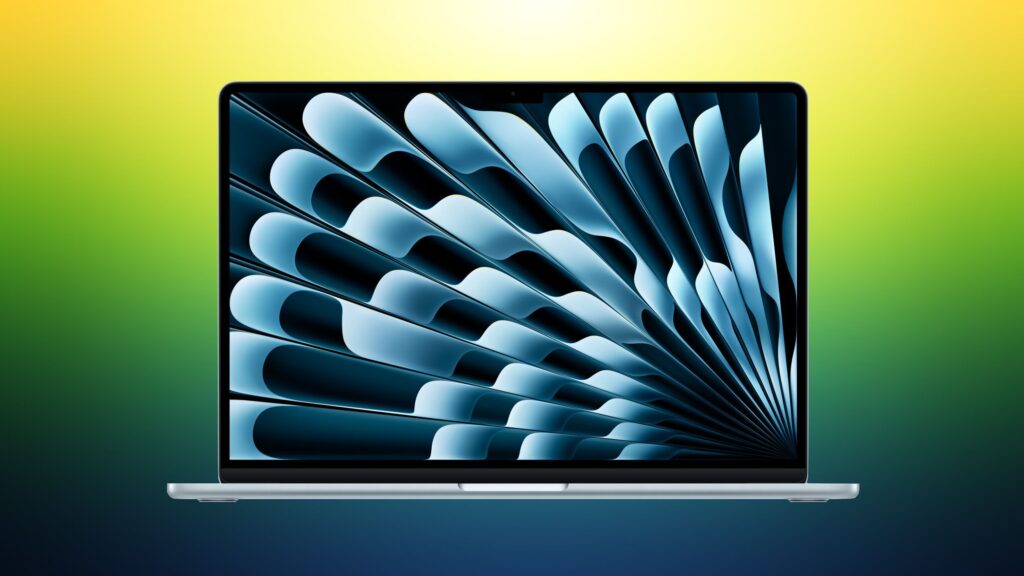
Apple has increased prices for Macs and iPads in its Certified Refurbished online store, following large price increases for new products introduced earlier today.
For affected products in Apple’s refurbished inventory, prices have increased by about $160 to $180 on average, but it’s the Mac’s increases that have generally been more impressive than the iPad’s.
Mac increases averaged about $204 at the low end and $330 at the high end. Some of the more minor Mac changes include the 14-inch MacBook Pro with an M4 Pro chip going from $1,699 to $1,779 – the nano-texture version of the same model went from $1,829 to $1,909. Elsewhere, a 16-inch MacBook Pro with an M4 Pro chip and nano-textured display has dropped from $2,249 to $2,339.
But it’s the high end of the Mac range that has seen the biggest price increases. A refurbished 14-inch MacBook Pro with the M5 chip went from $1,359 to $1,439, while the most expensive configuration in this group went from $2,629 to $3,309. A 14-inch MacBook Pro with the M2 Max chip also went from $4,249 to $4,839.
As for the iPad, the increases have been more consistent. Many refurbished iPad models have increased by around $120 to $150. In terms of lower-end models, examples include the 10th generation iPad Wi-Fi 256GB models, going from $339 to $409, while the iPad mini 6 models went from $379 to $459 or from $449 to $529. Some high-end iPad Pro configurations also saw larger increases, from around $230 to $250.
The price changes for refurbished products are in line with Apple’s broader pricing overhaul for new products, which is believed to be due to the company facing the impact of rising memory and storage chip costs due to ongoing AI data center construction. In other words, if new Macs and iPads become more expensive, refurbished versions must also increase in order to maintain a discount of roughly the same amount.
That said, many of Apple’s refurbished units likely contain original memory, storage, and logic boards, or replacement parts purchased before the latest surge in component costs. So it appears to be more of a price increase based on Apple’s updated pricing structure, rather than the actual cost of each device.
