Apple still developing liquid metal for future iPhone Pro frames
Apple reportedly wants to ditch aluminum for future iPhones, with two materials being considered for their better balance between weight and heat dissipation.
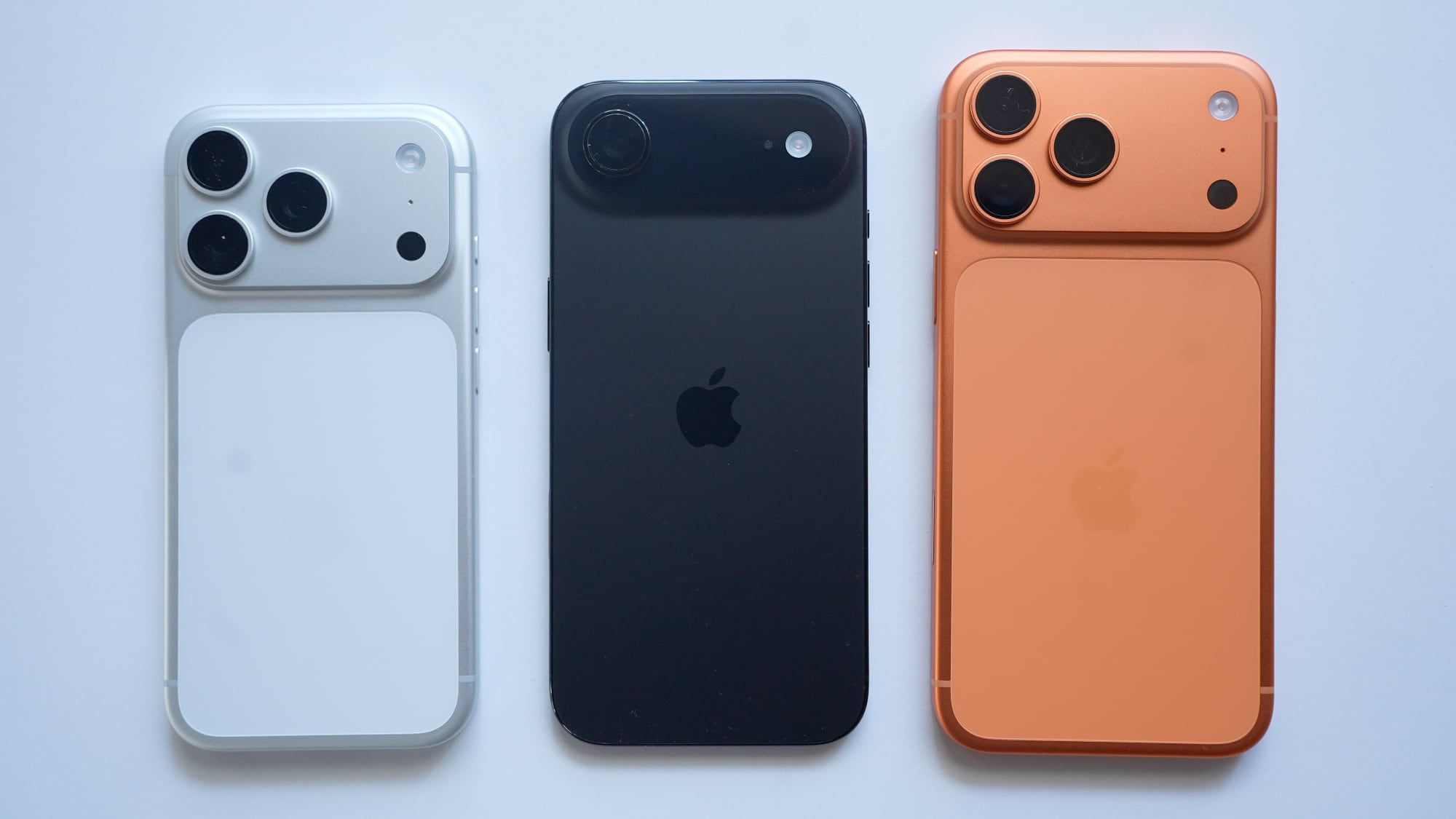
Apple introduced titanium to the iPhone with the iPhone 15 Pro and Pro Max in 2023, with the change even becoming the device’s defining slogan. The iPhone 16 Pro models also featured the material, but while the devices were considered more durable, they also suffered from complaints about overheating. This is when Apple switched to aluminum for the current iPhone 17 Pro models.
However, in a new post on Weibo, Instant Digital claims that Apple’s switch from titanium to aluminum is only a compromise solution while continuing to study the use of liquid metal or an “enhanced” version of titanium that would address the poor thermal conductivity of the original material.
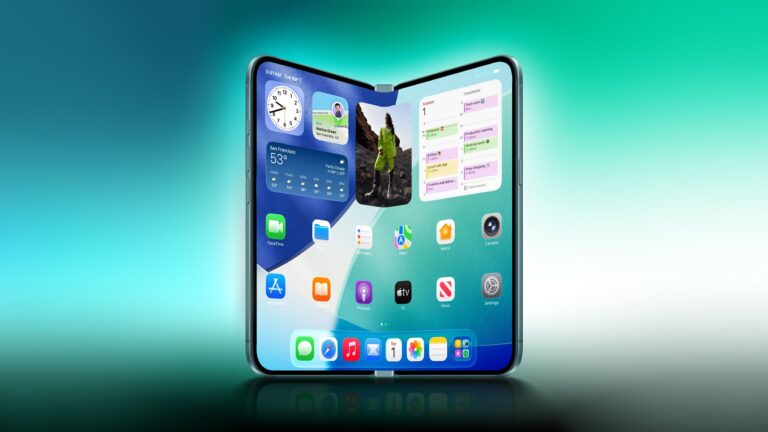
Apple is reportedly using both liquid metal and enhanced titanium alloys in its first foldable iPhone, expected this year, so the leaker’s claim may not be completely off the mark. The body of the device is said to use a revised titanium material that improves strength while reducing overall weight compared to existing titanium iPhone frames, although it has virtually the same surface area.
The iPhone Air currently uses a titanium frame, sought after for its lightness and strength, and the next model will likely have one as well.
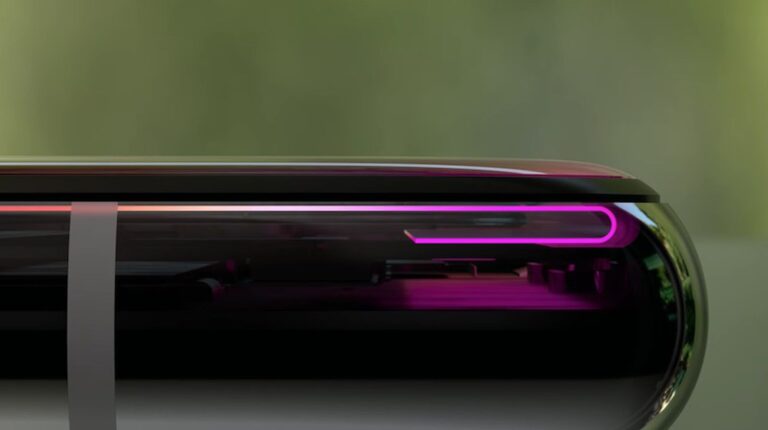
Meanwhile, liquid metal has been described as an “amorphous” material that Apple has been exploring for over 15 years. Apple reportedly chose the material, made using a die-casting process, as a key part of solving common problems with foldable devices. The choice of material would aim to improve the flatness of the screen and minimize the crease marks that typically plague foldable screens. The alloy’s unique properties include high strength, corrosion resistance, light weight and malleability.
According to Instant Digital, achieving large-scale mass production will be extremely difficult, but once manufacturing of the foldable is established, costs could come down, paving the way for adoption by future Pro models as well.
Unless Apple reverts to a new type of titanium, of course. But don’t expect any of these possibilities to emerge for the iPhone 18 Pro models, whose manufacturing materials will already be locked down.