
Apple’s Senior Vice President of Software Engineering, Craig Federighi, has been added as a custodian of documents in xAI’s antitrust lawsuit against Apple and OpenAI. Here’s what that means.
A little context
Last year, Elon Musk accused Apple and OpenAI of working together to prevent competing LLMs from succeeding in the App Store, sparking a lawsuit that now also involves the super app market.
In the lawsuit, xAI (now part of SpaceX) claims that Apple’s deal with OpenAI to integrate ChatGPT into Siri influenced App Store rankings.
Apple has repeatedly denied these accusations, particularly disputing xAI’s characterization that the company’s deal with OpenAI involves exclusivity, which is not the case.
In recent months, xAI has attempted to expand the investigation in the trial, including seeking documents from foreign companies under the Hague Convention.
Even if the American justice system granted these requests, they were not as successful abroad. In January, South Korea rejected his attempt to obtain documents from Kakao, the company behind one of the country’s major super apps. Similar requests are underway in other countries.
Federighi added to xAI’s lawsuit against Apple and OpenAI
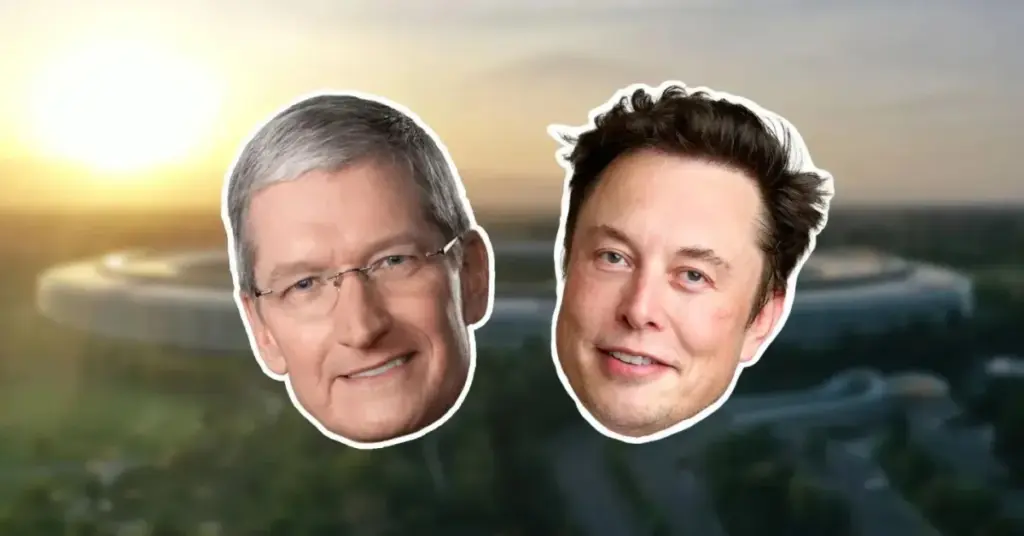
This week, discovery in the case expanded further when the court granted xAI’s request to add Craig Federighi as a custodian, but denied the same request for Tim Cook:
Here, the plaintiffs claim that Cook and Federighi “made high-level strategic decisions regarding the Apple-OpenAI deal.” Plaintiffs have sufficiently met this standard with respect to Federighi. They argue that Federighi may have unique relevant evidence that has not yet been produced regarding Apple’s integration of OpenAI into Apple Intelligence, because as senior vice president of software engineering, he was likely a key decision maker regarding Apple’s software development. However, the plaintiffs have not made this showing with respect to Cook. The plaintiffs do not explain how Cook is likely to have unique relevant evidence that has not already been produced, or that designating Federighi as custodian would not provide. Accordingly, the court grants the plaintiffs’ request in part and appoints Craig Federighi as custodian. Apple must provide responsive discoverable documents in Federighi’s possession by June 17, 2026.
The court also rejected xAI’s request to add another unnamed Apple employee to the case, who allegedly provided information about iPhone sales. In his ruling, U.S. District Judge Hal R. Ray, Jr. said that “the materials regarding competition in the broader smartphone industry far exceed the scope of the claims in this case.”
Additionally, the court granted xAI’s motion seeking documents from Apple’s partnership with Google, although it narrowed the scope of the original request:
This request is overly broad and encompasses information beyond the scope of material relevant to OpenAI’s defense. However, the Court considers that the related documents referring to possible artificial intelligence supplier exclusivity clauses for Apple products are relevant and proportionate to the needs of this case. Therefore, the Court GRANTS the motion in part on this point and ORDERS Apple to produce this category of documents by June 17, 2026.
OpenAI, in turn, also scored a small victory, with the court granting its request to force Elon Musk to hand over “his emails to both Tesla and SpaceX, as well as his other SMS and XChat accounts”, which must be produced by June 3, 2026.
Finally, the court denied xAI’s request that Apple provide information about how AI is used internally, stating that “it is unclear how Apple’s internal policies regarding its employees regarding artificial intelligence relate to plaintiffs’ antitrust allegations.”
You can read the court’s full decision below:
To discover on Amazon

FTC: We use automatic, revenue-generating affiliate links. More.
