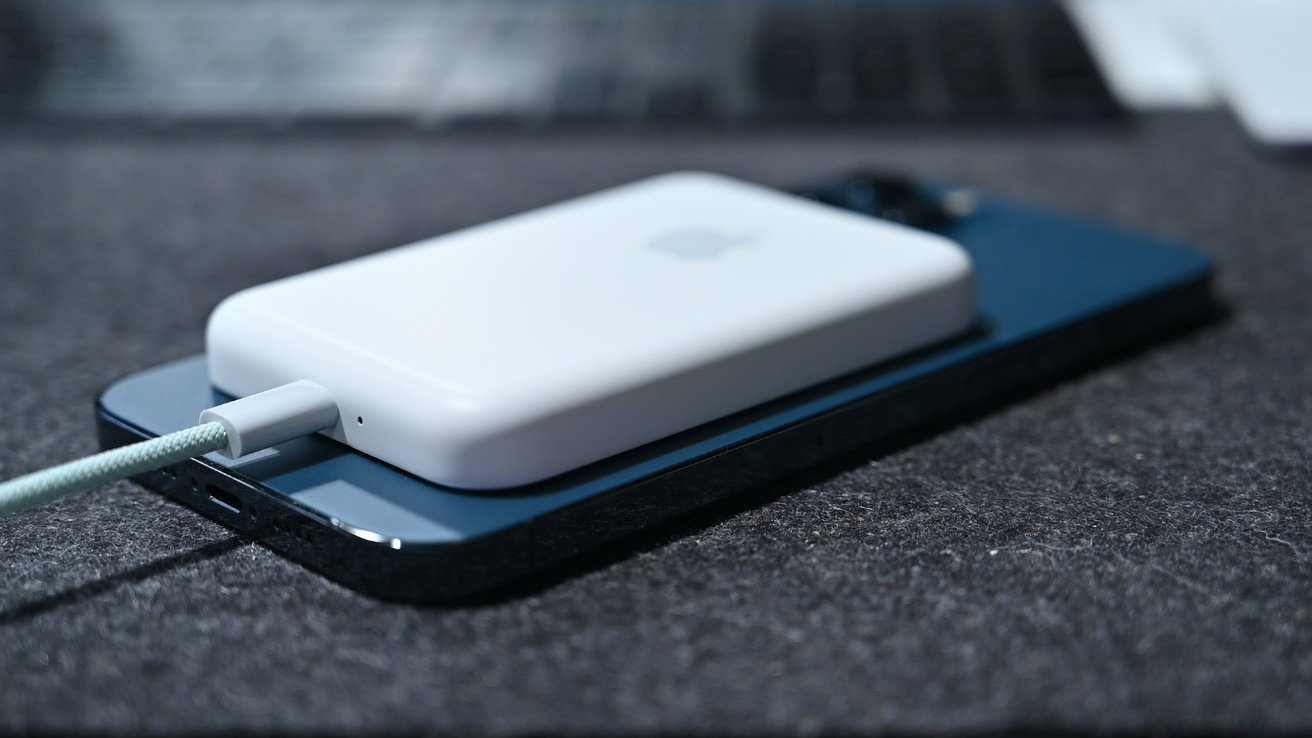
New iPhone MagSafe removal rumor makes no sense
Claims that Apple is considering dropping MagSafe are an interesting rumor, but fall apart when current iPhone hardware, Apple’s accessory strategy, and the Qi2 standard are taken into account.
A post on Chinese social platform Weibo claims that Apple is debating internally whether future iPhones should continue to include MagSafe and presents it as a design compromise. This claim seems plausible at first, as Apple explores thinner designs and new form factors.
But a closer look at how MagSafe fits into the iPhone shows that the argument doesn’t hold up. The claim centers on the idea that magnets impose significant compromises in hardware design, an argument that falls apart upon closer examination.
Wireless charging already requires glass or composite media for power transfer, putting the real stress on the materials rather than the magnetic array. Apple integrates thin, passive magnets into a mature setup, and removing them wouldn’t produce a radically different iPhone.
Apple pushed MagSafe aggressively, even exploring plans to bring it to iPad before backing down. The company is now reportedly reconsidering whether this feature should remain standard, with internal disagreement centered on whether it would compromise the device.
The claim relies on a single source and describes a major strategic change without analyst support, supply chain controls or other leaks.
MagSafe is now part of a global standard
MagSafe ceased to be just an Apple feature when it became the basis for Qi2, announced by the Wireless Power Consortium in January 2023 at CES. Apple brought its magnetic alignment system to spec, and accessory makers began building it as devices and chargers were released later that year.
The move tied Apple’s approach to the direction of the broader wireless charging ecosystem, and accessory makers are increasingly designing around a MagSafe-style alignment. Chargers, car mounts, battery packs, and cases rely on it for positioning and efficiency, and competing smartphone makers have also begun to adopt Qi2.
Removing MagSafe from consumer iPhones wouldn’t just be a product decision. That would mean moving away from a standard that Apple helped define under Qi2 as its adoption accelerates across the industry.
Apple does not abandon the ecosystems it builds
MagSafe supports a growing accessory ecosystem in which Apple continues to invest and ship first-party products. Apple sells its own chargers, wallets, batteries and cases and updates them alongside new iPhones.
Apple designs its hardware platforms around continuity so that accessories carry over during upgrades and users don’t need to rebuild their configuration every year. MagSafe follows this model, with millions of compatible iPhones in use and a wide range of third-party products built around the same alignment system.
Removing MagSafe from major iPhone models would break compatibility with the existing accessory base and disrupt the way people charge and mount their devices. Apple typically handles changes of this magnitude with a clear transition plan and defined replacement instead of a quiet internal overhaul.
Model-specific constraints do not equate to platform changes
The rumor becomes more interesting when looking at future form factors. Apple is expected to explore both thinner designs and more complex devices, and these could introduce real constraints.
For example, the iPhone Air is Apple’s thinnest iPhone at 5.64mm, and the company still has MagSafe built into it. Obviously, the magnetic charging system does not have a significant space constraint.
iPhone Fold/Ultra render
An upcoming foldable, commonly described as an iPhone Ultra, presents a very different challenge. Dual screens, hinge mechanisms, and split battery setups could make internal space much more limited and less predictable.
If MagSafe was missing on a device like this, that absence would reflect the constraints of a new form factor rather than a change across the entire iPhone lineup. Apple often limits hardware compromises to specific models when physical constraints or price positioning drive the decision.
For example, cheaper models and iPhone SE reuse older models or ignore newer features without changing the rest of the lineup.
The company also makes platform-wide changes as it commits to a long-term direction. Apple removed the headphone jack from the iPhone 7, switched from Lightning to USB-C, and removed chargers and EarPods from the packaging.
What Apple is most likely debating internally
Apple regularly evaluates design compromises internally, and these discussions generally focus on refinement rather than removal. With MagSafe, that means improving charging efficiency, managing heat, adjusting magnet strength, or aligning more closely with Qi2 accessories.
These are normal technical considerations for a feature that continues to evolve. They are not suggesting that a company considers whether this feature should exist.
The Weibo post describes a vast internal conflict, but the surrounding context suggests gradual changes. MagSafe now finds itself at the center of iPhone charging, accessory and industry standards, making it difficult to take Apple’s idea of widely reconsidering it seriously without stronger evidence.
The leaker behind this claim, Instant Digital, has shared specific details in the past, but its track record is inconsistent and often lacks follow-up. Without confirmation from more reliable sources, the rumor looks less like a credible change in Apple’s plans and more like speculation based on a misunderstanding of internal discussions.


