
1. Why Move to Germany in 2025
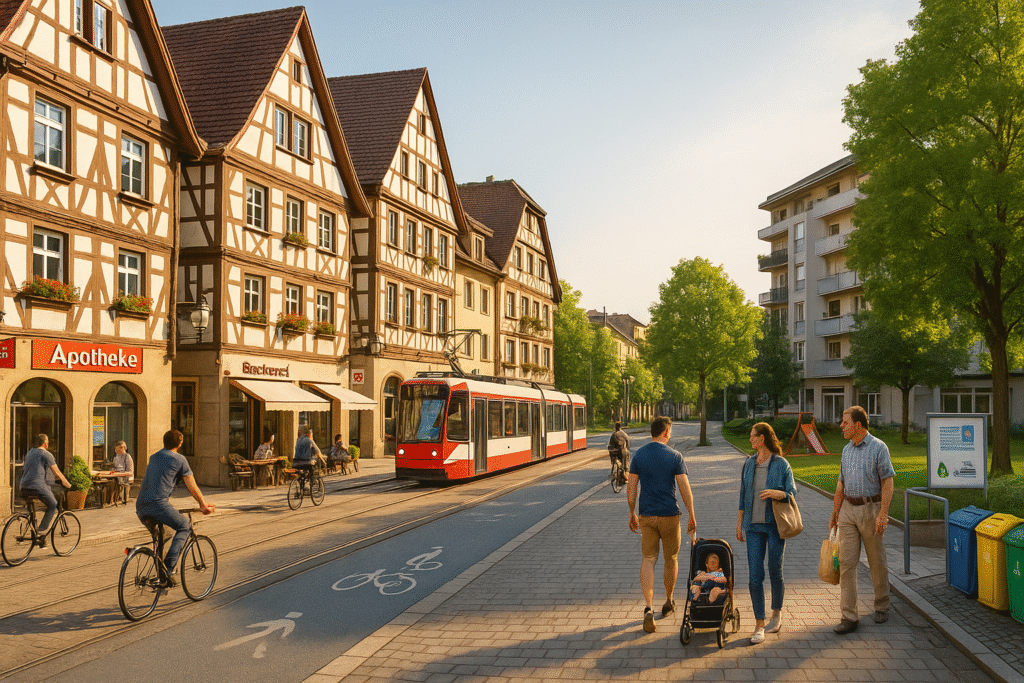
High quality of life, safe cities, efficient transport, and strong public services make Germany a solid base for students, families, and professionals. You’ll find vibrant metros (Berlin, Munich, Hamburg) and calm small towns—with nature never far away.
2. Cost of Living (and a Simple First-Year Budget)
-
Rent: Biggest expense; varies widely by city and neighborhood. Expect deposits of 2–3 months’ Kaltmiete (cold rent).
-
Utilities & internet: Often billed separately; watch for heating costs in winter.
-
Groceries & eating out: Supermarkets are affordable; restaurants range from budget Turkish/Asian spots to pricier sit-down dining.
-
Transport: Monthly city passes are good value; rail cards help for intercity trips.
Rule of thumb: Put 50% of income to fixed costs (rent, insurance, transport), 30% to variable (food, fitness, fun), 20% to savings.
3. Housing: Finding a Place That Works
-
Where to search: Mix big portals with local Facebook groups and company Slack channels.
-
Your dossier: Photo ID, proof of income/job offer, SCHUFA (credit report) if you have one, previous landlord letter.
-
Temporary base: Consider 1–3 months furnished while you look long-term.
-
Red flags: Requests for wire transfers without a contract; “viewing fees.”
4. Essentials After Arrival (Admin Checklist)
-
Anmeldung (address registration) → 2) Tax ID follows → 3) Bank account → 4) Health insurance enrollment → 5) Mobile/eSIM for transit apps and appointments. Book any city-office appointments early—slots go fast.
5. Healthcare & Insurance Basics
Public health insurance offers broad coverage; some people qualify for private plans based on income or status. Choose a primary doctor (Hausarzt) and keep letters you receive—many contain important IDs and contribution details.
6. Getting Around: Trains, Transit & Biking
Cities are built for transit and walking. Use regional passes for day trips, bike lanes for short hops, and long-distance trains for cross-country moves. Driving makes sense in rural areas and the Alps; check parking and low-emission zones.
7. Work–Life Rhythms & Culture Codes
Punctuality, clear planning, and documented decisions are normal. Sundays are quiet (many shops closed). Recycling is serious; learn your building’s bin system. Small courtesies—Hallo, Bitte, Danke—go a long way.
8. Families, Childcare & Schooling
Kita (public childcare) can have waitlists—apply early. Playgrounds are everywhere, family tickets exist for museums and transit, and many cities host international schools alongside strong public options.
9. Community & Language
Plenty of English-only meetups exist, but learning German (A2–B1) unlocks more friendships, jobs, and smoother admin. Try 30 minutes daily instead of occasional cram sessions.
10. Mistakes to Avoid
Overpaying because you rushed housing, ignoring Sunday closures, skipping renters insurance, and relying only on English for admin. Start documents and appointments early; it reduces stress more than anything else.
