
BloombergMark Gurman of , says Apple’s decision not to name its former design chief Jony Ive in its trade secret lawsuit against OpenAI was likely deliberate, shaped in part by the company’s relationship with Laurene Powell Jobs.
Apple’s roughly 40-page complaint refers only to unnamed “former Apple executives” rather than calling out Ive, even though he leads the design of OpenAI’s hardware line through his company LoveFrom, built following OpenAI’s acquisition of his startup io Products for $6.5 billion. The allegations instead focus on former iPhone executive Tang Tan, now director of hardware at OpenAI, who Apple accuses of training recruits to bypass security measures and bring Apple hardware to interviews for “pitch and pitch” sessions.
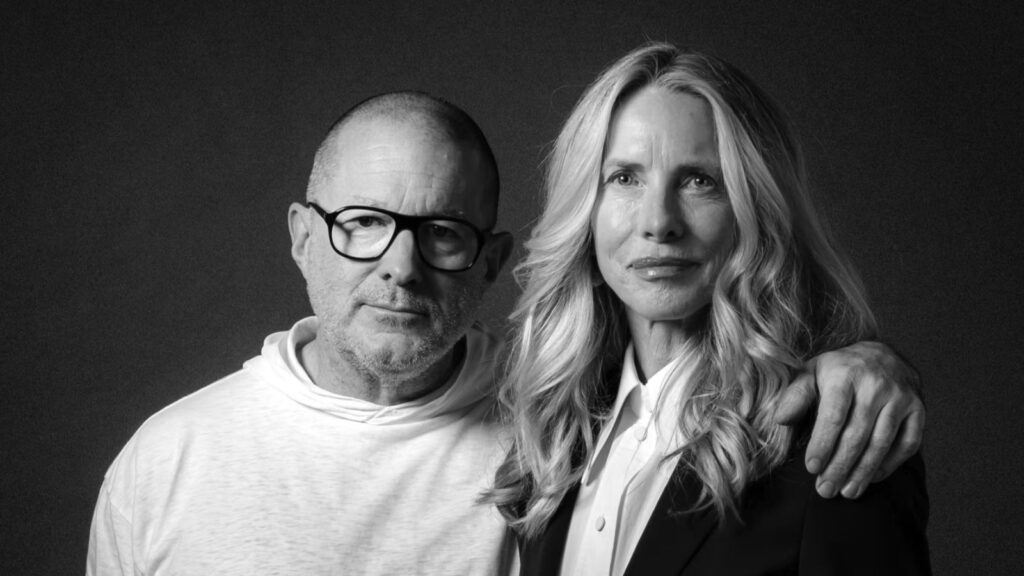
In the latest “Power On” newsletter, Gurman notes that Apple’s decision likely reflects, at least in part, a real absence of evidence against Ive, who is reportedly not closely involved in OpenAI’s day-to-day recruiting or engineering. He says, however, that the relationship between Powell Jobs and Ive was also an important factor. The two are described as close friends, with Ive having delivered a tribute at Steve Jobs’ memorial service in 2011. Powell Jobs was an investor in io Products and remains a supporter of LoveFrom. Gurman said naming Ive in the complaint risked straining Apple’s relationship with a figure who continues to wield considerable influence within the company.
Gurman cites Apple’s Worldwide Developers Conference in June to illustrate this influence, noting that Powell Jobs sat in the front row alongside CEO Tim Cook and his successor John Ternus. He calls his placement a visible demonstration of support for Apple’s leadership transition.
Gurman further suggests that the optics of naming Ive directly would have worked against Apple. Tan, he notes, is not well known outside the industry, while I spent decades as one of Apple’s most recognizable figures. Naming him could have generated public sympathy for Ive and sparked criticism that Apple’s lawsuit was motivated as much by past grievances as by trade secret concerns. The lawsuit comes as more than 400 former Apple employees reportedly now work at OpenAI, whose first hardware product is expected to be a portable smart speaker intended to compete with the iPhone in the long term.
