
A new report claims that although Apple Silicon chips based on TSMC’s 3nm processors will remain in shorter supply than usual, there is reason to expect that the launch of the 2nm processor in the next MacBook Pro will improve the situation.
During Apple’s latest earnings conference call, Tim Cook warned that the current memory shortage would be a growing problem and that iPhone and Mac prices were expected to rise. But demand from AI companies is such that companies like Apple may not be able to buy enough memory or even processors at any price, and a new report indicates that this will continue.
According to DigitimesMac supply will remain limited until processor maker TSMC is able to accelerate its manufacturing by 2 nanometers. Apple is expected to use TSMC’s 2nm processor in the next OLED MacBook Pro, scheduled for late 2026.
Recent reports indicate that this MacBook Pro is now delayed until 2027.
During the earnings conference call, Cook said Apple was able to reduce the impact of rising memory prices through front-end inventory, or early purchasing of the supply before costs increase. “I can tell you that beyond the June quarter,” he said, “we believe memory costs will have an increasing impact on our business.”
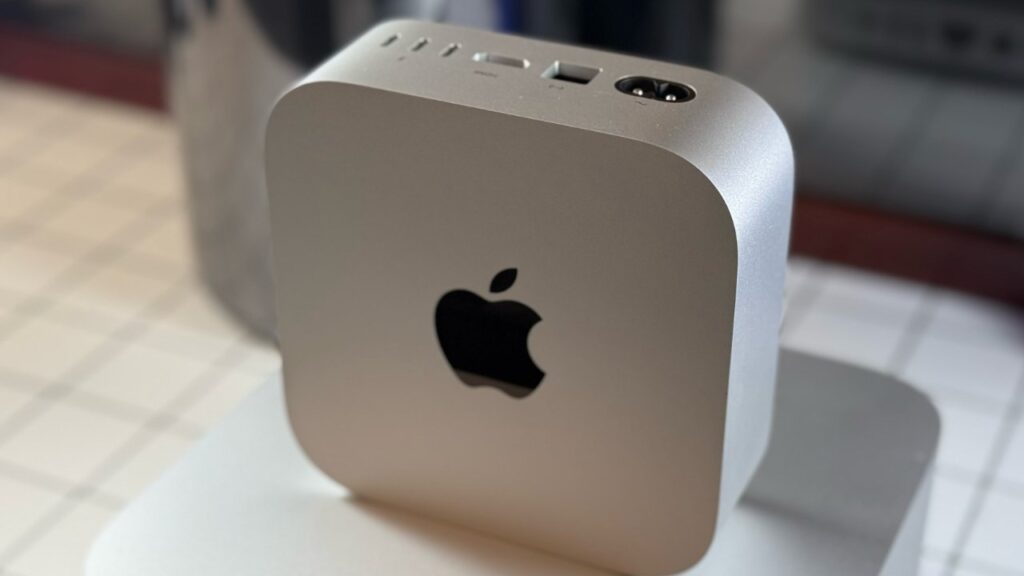
He specified that for the next financial quarter, the constraints will relate more to the Mac mini, Mac Studio and the new MacBook Neo than to the iPhone. But it was separately reported that the upcoming iPhone 18 lineup would be affected by TSMC’s price hikes.
However, the iPhone 18 lineup is expected to use the A20 and A20 Pro processors, both of which have a 2-nanometer design. In August 2025, it was announced that Apple would take half of the capacity of TSMC’s 2-nanometer processor.
More recently, Apple has reportedly lost its status as TSMC’s largest customer. It appears to have lost that position to Nvidia, which is buying processors for AI data centers and reportedly using TSMC’s 2-nanometer designs starting in 2027.
Given this expectation and this new report, it is likely that the deferral program Cook referenced will include existing orders for 2-nanometer processors. This would explain why the offering of the next MacBook Pro is better than what Apple currently sees with the rest of its range.
This doesn’t mean that Apple’s entire Mac lineup will benefit from improvements, however. Although Tim Cook specifically said during the earnings conference call that he expects “the Mac mini and Mac Studio to take several months to reach balance between supply and demand.”
He also said that Apple was continuing to evaluate the situation and that “we would look at a range of options.” Cook didn’t specify what those options were, but it was previously reported that Apple could ask companies like Intel to make some of its older processors.
