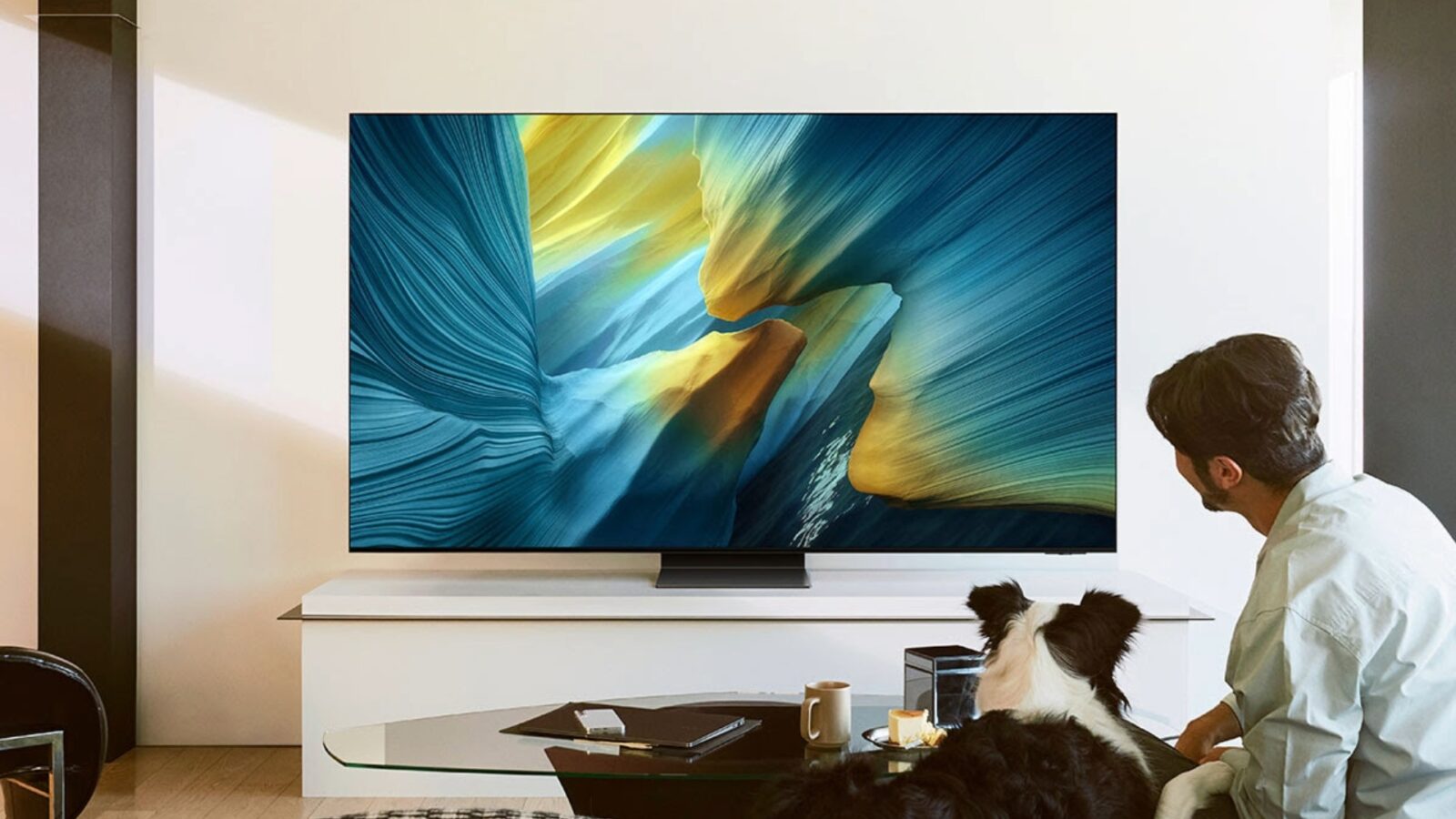
Unlike LCD televisions, OLED models have an internal maintenance system intended to protect the slab from marking (burn-in). With each extinction in standby, the device launches a pixel compensation cycle. These micro-adjustments make it possible to equalize the wear of the slab and to avoid the appearance of permanent ghost images.
Indeed, when you turn off an OLED TV, it almost always launches a short compensation cycle, which only lasts a few minutes and goes unnoticed. But there are also longer cycles, programmed every 500 to 1000 hours of use, which can last up to an hour. These sequences are essential to rebalance the slab and prolong its lifespan. Interrupt them regularly by suddenly cutting the food amounts to preventing this invisible but essential maintenance work. In the long term, the consequences can be visible, especially on a screen used intensively with static content (chain logos, information bars, video games).
At LG, Sony, Panasonic or Philips, the logic is the same but the names change: “refreshing pixels”, “cleaning the slab” or “compensation cycle”. Some brands even display a screen warning to encourage not to cut the current during these sensitive phases.
Derisory consumption in standby
The economic argument of the cut is not really decisive because recent OLED televisions consume an average of 0.3 and 0.5 watt on standby. Over a full year, this is barely a kilowatt hour, a few cents on the electricity bill. At the scale of a home, the gain is marginal.
For users who still want to completely cut the power supply via a multipise or a connected socket, a simple precaution can limit the risks: waiting a few minutes after having extinguished television in standby before cutting the current. This period allows the TV to finalize its short cycle and to ensure part of its maintenance, without compromising the electrical security sought by those who prefer to disconnect.
There are nevertheless situations where the food completely cut remains advised: in the event of prolonged absence, to avoid any unnecessary consumption, or during a thunderstorm to protect the device from overvoltages. In these specific cases, no consequences on the slab, since the compensation cycle takes place at the next delivery.
A balance between comfort and longevity
The lifespan of a modern OLED panel is estimated between 30,000 and 40,000 hours of use, more than ten years with a daily consumption of ten hours. Sufficient figure to reassure most users. But if the compensation cycles are blocked repeatedly, this hope can be shortened!
On a daily basis, the best practice is therefore to leave the OLED TV on standby. This position guarantees that the protection cycles run properly, while limiting electrical consumption to an almost symbolic level. Systematically disconnecting your TV after use amounts to sacrificing part of the longevity of the slab for a minimal economy.