Apple’s 20th anniversary all-glass iPhone reportedly canceled
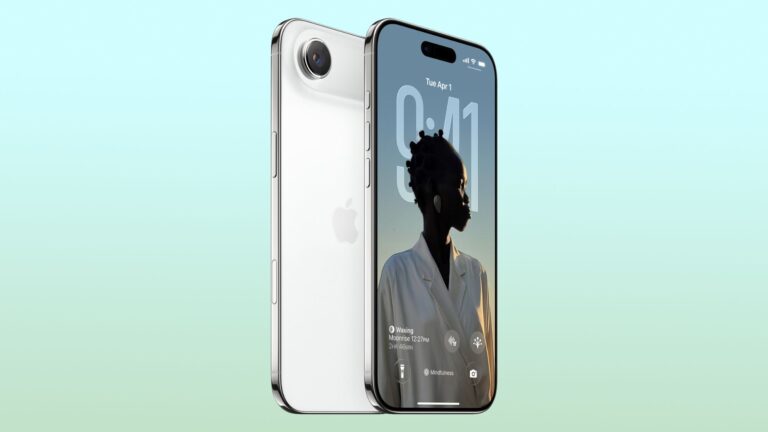
Apple’s rumored all-glass iPhone, expected to mark the device’s 20th anniversary, has been canceled, according to Jefferies analyst Edison Lee.
Rumors have been circulating since at least 2025 that Apple is developing a radically redesigned all-glass iPhone, expected to launch as early as September 2027. Lee’s analysis provided today in Barron’s says his company’s supply chain controls now indicate the project was abandoned due to low production yield, the rate at which the industry produces defect-free units.
Following these findings, Jefferies downgraded Apple stock from “Hold” today to “Underperform,” the equivalent of a “Sell” rating, lowering its price target from $285.56 to $263.66, one of the lowest on Wall Street. Apple shares fell 2.1% following the downgrade.
The all-glass iPhone has been seen for more than a year as the most significant redesign since the iPhone X, which is expected to arrive in fall 2027 alongside a second-generation foldable iPhone. Reports pointed to a curved glass panel surrounding the front and back with virtually no cutouts in the display, as well as under-screen Face ID and solid-state buttons.
Lee previously viewed the all-glass iPhone as a plausible upcoming release, and its apparent cancellation changes his view of Apple’s ability to raise iPhone prices in the future. He called the move a major setback for the push for more expensive iPhones as memory costs continue to climb. Had it launched in 2027, Lee estimated the device would have had an overall retail price of around $2,060, more than any previous iPhone.
Lee’s biggest concern is what cancellation means beyond a single model. He believes Apple had planned to eventually introduce an all-glass style on the iPhone Pro and Pro Max lines, a move he sees as a way to further increase the average selling price and margin of those models at a time when rising memory costs are reducing profitability.
Lee also pointed to Apple’s AI strategy and rising component costs for the “iPhone 19 Pro Max,” expected in 2027, as additional reasons behind the downgrade. He said the slow rollout of Apple Intelligence makes it harder for Apple to justify equipping more iPhones with the extra RAM needed to run AI models on the device.
It’s still unclear whether Lee is describing the end of the full 20th anniversary redesign or just its all-glass display component. There have been repeated questions about whether Apple might kill Dynamic Island next year, given the technical hurdles involved, meaning a truly transparent glass front may never have been realistic, regardless of Lee’s performance and cost issues. Even so, other elements of the rumored 20th anniversary design, including the quad-bend chassis, might still be on track.