Much brighter iPhone screen in a few more years, leak suggests
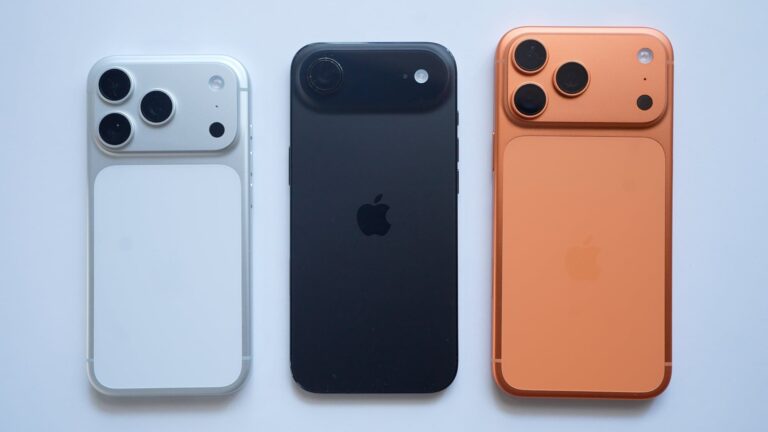
Chinese leaker “Instant Digital” said today that the iPhone 18 Pro will not feature dual-layer OLED technology, adding that Apple’s current thermal management approach remains a limiting factor for sustained outdoor brightness on Pro iPhones.
In a new post on Weibo, Instant Digital commented on a question about when dual-layer OLED would come to iPhone, simply saying: “The 18 Pro definitely won’t have it anyway.” The leaker earlier this week reflected on last year’s predictions, noting that the iPhone 17 Pro made little significant progress in maintaining peak brightness levels outdoors. Instant Digital suggested that without changes to Apple’s thermal throttling strategy, dual-layer OLED is the only path to significant improvement in real-world brightness.
The assessment is consistent with what has been said elsewhere. A report last August indicated that Apple had set a two-year production plan for adapting the tandem OLED to the iPhone, but that Apple had not yet decided whether to develop the panels with Samsung Display or LG Display, pointing to an arrival after 2028 at the earliest.
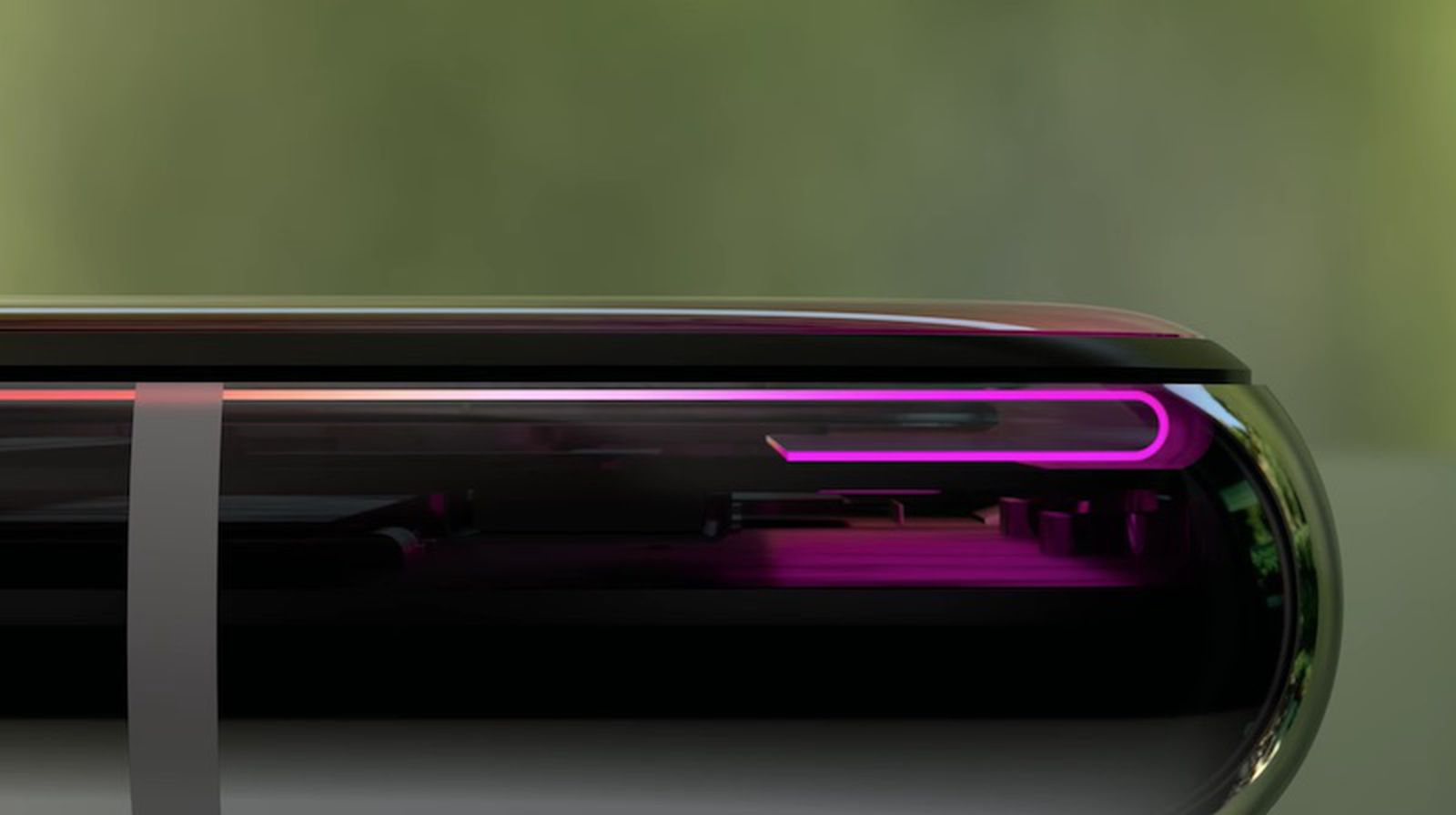
The report also notes that the variant Apple is looking at differs from the full OLED tandem used in the iPad Pro. Rather than stacking two full RGB layers, Apple is reportedly evaluating a “simplified tandem” design that would only double the blue subpixel layer while keeping red and green on a single layer.
For the iPhone 18 Pro, the display upgrade on the table would be a move to LTPO+ technology. As reported earlier this month, Apple is expected to finalize panel approvals for the iPhone 18 Pro and Pro Max with Samsung Display and LG Display, with China’s BOE apparently shut down at the premium level due to quality and yield issues with its own LTPO+ technology. The upgrade over the standard LTPO used in the iPhone 17 Pro should improve battery efficiency by allowing more precise control of OLED light emission, but it does not address peak brightness or thermal throttling that limits sustained outdoor luminance.
Dual-layer OLED would address both issues. Because each emissive layer operates at a lower intensity to achieve a given brightness goal, the display generates less heat, reducing the thermal pressure that causes Apple’s current panels to throttle with prolonged use. The M4 iPad Pro was the first Apple product to adopt this technology. Comments from Instant Digital suggest that iPhone customers will have to wait much longer.