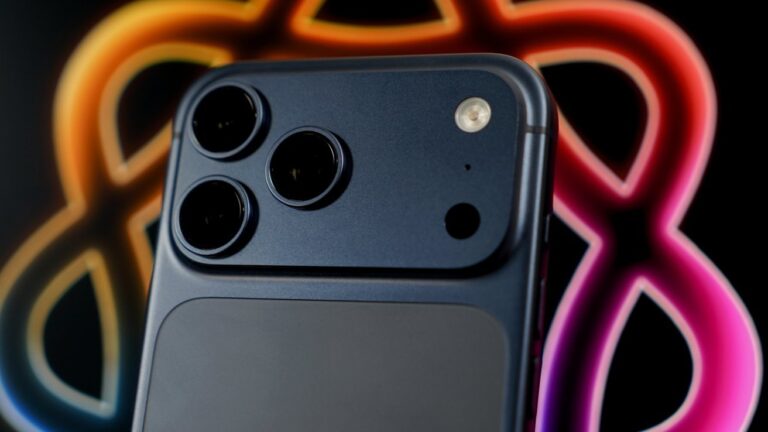
MAMI’s iPhone short films make the case for independent films
Shreela Agarwal uses internal stabilization on iPhone 17 Pro Max while climbing rocks alongside her actors for her film 11.11.
Apple is using four new short films from emerging Indian filmmakers to demonstrate that the iPhone has become a legitimate tool for independent filmmaking.
The company highlighted four emerging Indian filmmakers who used the iPhone 17 Pro Max to shoot short films as part of the Mumbai Academy of Moving Image’s “MAMI Select: Filmed on iPhone” program. Apple presented the project as another step toward transforming the iPhone into a legitimate filmmaking platform for independent creators instead of just a consumer camera.
Apple Stories features filmmakers Shreela Agarwal, Ritesh Sharma, Robin Joy, and Dhritisree Sarkar, who used the iPhone 17 Pro Max, MacBook Pro with M5, and iPad Pro with M5 to create short films about regional stories in India. Apple’s productions used features like ProRes RAW, Cinematic Mode, Action Mode, Audio Mixing, and 8x Optical Zoom.
Rather than focusing entirely on image quality, Apple has focused its initiative on accessibility and production flexibility. Several filmmakers have described the iPhone as a way to reduce equipment costs, move more freely on set, and shoot scenes that would have been more difficult with traditional cinema equipment.
Cinematographer Naseem Azad (left) and filmmaker Robin Joy use Action mode on the iPhone 17 Pro Max to keep the frame stable.
Smartphone filmmaking is no longer a new thing, as modern flagship phones capture the video quality of many independent productions. Apple is promoting the iPhone as part of a lightweight filmmaking ecosystem with Mac hardware, iPad workflows and professional editing tools.
Apple relies on filmmaking workflows rather than camera comparisons
The article repeatedly highlights how filmmakers have integrated Apple hardware into production and post-production pipelines rather than simply shooting video on a phone.
Agarwal said his film “11.11” used ProRes RAW capture to recover details from low-light Mumbai street scenes and maintain consistent colors under mixed lighting. She also credited the iPhone’s stabilization system with allowing hand movement on uneven beach terrain.
Sharma used cinematic mode in “She Sells Seashells” to shift focus during dream sequences exploring the protagonist’s inner world. Audio Mix tools also helped his team reduce wind and crowd noise while filming on the beach in Goa to create cleaner ambient audio.
Joy said Action mode stabilized footage shot from a small boat, while the MacBook Pro with M5 handled 4K editing workflows without relying on lower resolution proxy files.
Sarkar’s production used the Blackmagic Camera app with Tentacle Sync to turn the iPad Pro into a filming monitor during close-up shots requiring extensive prosthetics. His team also used ProRes RAW and Apple Log 2 to create a more cinematic visual style during post-production.
Apple also highlighted AI-assisted editing in Adobe Premiere Pro, noting that mask tracking tasks benefited from neural accelerators on MacBook Pro GPUs.
Apple continues to expand its “Shot on iPhone” strategy
Apple has spent years promoting iPhone cameras through billboard campaigns, celebrity-directed short films, music videos and professional productions. The MAMI partnership takes this strategy further in independent international cinema, particularly among young creators who do not have access to large production budgets.

The iPhone 17 Pro Max’s vapor chamber kept the device running smoothly throughout the grueling shooting schedule of Pathanam (Paradise Fall).
Several filmmakers in the article directly linked iPhone filmmaking to affordability and accessibility. Sarkar, whose first short film was shot on iPhone 7 during the COVID pandemic, said the technology allows creators to “pick up your phone and shoot the story you want to tell.”
MAMI Mumbai Film Festival director Shivendra Singh Dungarpur says the program is already influencing aspiring filmmakers after previous projects under the initiative gained popularity online and recognition at festivals.
Apple’s argument is more compelling because it no longer views smartphones as direct replacements for high-end cinema cameras. Instead, the company is focused on how the iPhone lowers production barriers and helps independent filmmakers create projects that might not have been possible with traditional equipment.