
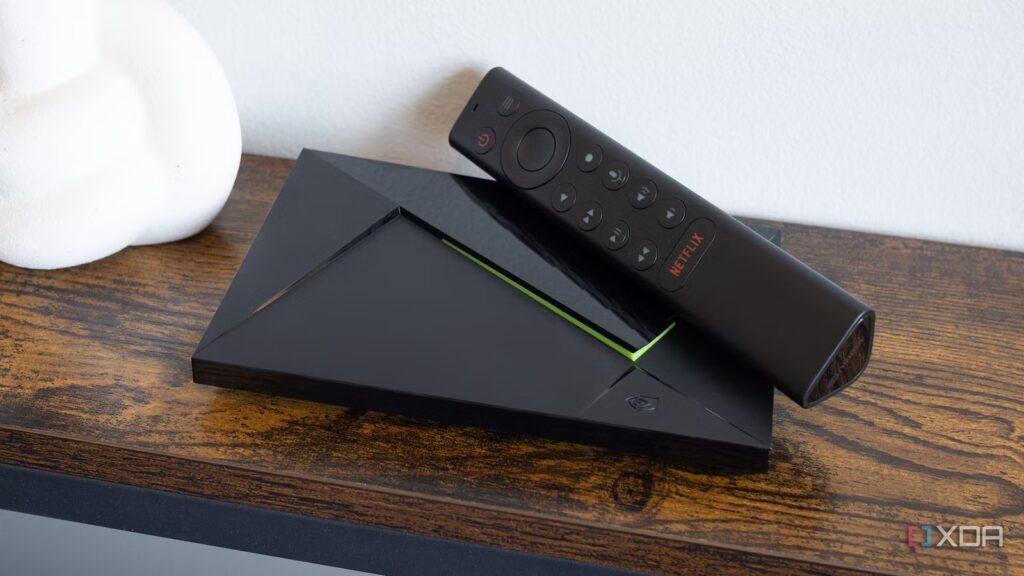
TVs are still absurdly slow, even in 2026. If you’ve used a Google TV, LG webOS, or Samsung Tizen TV, you already know how painful the experience is. When you first turn on the TV, it takes almost a minute to boot up, and even after that, navigating through apps is slow. Opening Netflix takes time, and basic things like accessing settings or changing Wi-Fi seem like a chore.
Even TVs that claim to be “advanced and AI-powered” are lagging behind. The reason is simple. Most of them are powered by outdated processors that are years behind the times, with virtually no real performance to offer. In addition to this, they consume little RAM. Most TVs still come with 1GB or 2GB of storage, which simply isn’t enough anymore. Apps get heavier, storage fills up quickly, and the overall experience deteriorates over time.
I’ve had my share of bad TVs, and at this point I realized that a TV should just be a screen. Relying on its built-in performance is a mistake. It makes much more sense to use a streaming device. I’ve been using an Nvidia Shield TV for almost five years now, and despite changing TVs a few times, nothing built into a TV comes close to this level of performance.
Your Smart TV’s Unused Port Can Dramatically Improve Streaming
Moving Your TV from Wi-Fi to Ethernet Removes Problems You Didn’t Know About
The Nvidia Shield TV is still great
Even though it’s over 10 years old
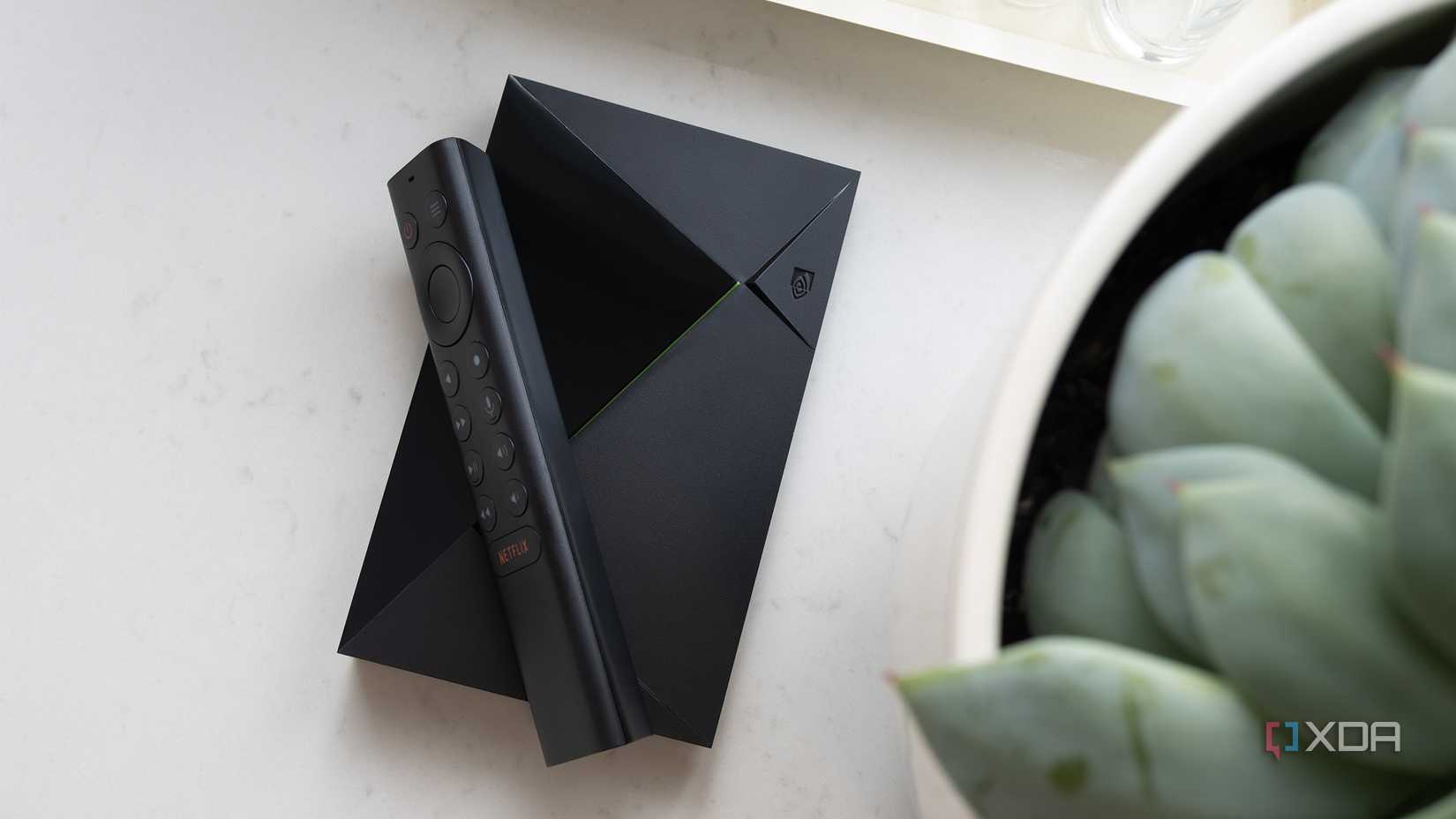
In most cases, it would be difficult to find anything positive to say about hardware that is almost a decade old. You can keep it as a centerpiece or a keepsake, like those cameras from 2000 that people still pull out for the occasional candid shot, but you’ll never use one as a daily driver. The point is simple: decades-old technology is not usable in 2026, with the exception of the Nvidia Shield TV. The first Nvidia Shield TV was announced in 2015, and Nvidia followed with refreshed versions in 2017 and 2019, upgrading a few features along the way.
The Nvidia Shield TV is widely considered one of the best streaming devices on the market. It’s also one of the longest supported devices, with updates extending well beyond ten years. The reason is not complicated either. Nvidia built it with powerful hardware from day one. When it launched in 2015, the streaming device featured its Tegra X1 chip, which later powered the Nintendo Switch. It also came with 3GB of RAM, which was way ahead of what TVs were offering at the time and, frankly, still are.
With the 2019 update, Nvidia introduced the Tegra X1+ chip, which was around 25% faster, as well as features like AI upscaling that can take 1080p content and bring it closer to 4K. The Shield TV Pro even added new hardware, like USB ports. What the Nvidia Shield TV actually does is make your TV usable. It’s fast enough that you’re not sitting there tapping the remote, wondering if the thing even registered your input, or cursing while something important is happening on the screen, whether it’s a soccer game or anything else you actually like to watch live.
It also doubles as a serious gaming device via GeForce Now. It’s widely considered one of the best ways to use the service, as it supports features like AI-enhanced upscaling, 10-bit color, and higher bitrates up to 100 Mbps, which most other Android TV devices can’t handle well.
There is no real replacement for the Nvidia Shield TV
Only the Apple TV 4K comes close
The reason I’m not replacing Nvidia Shield TV with another streaming device is the hardware. It’s one of the few devices that can act as a Plex media server, handling transcoding without the need for a separate PC. This tells you how much power it actually has compared to everything else in this category.
It’s not just the performance; The Shield TV still has some of the best AI scaling on the market. It also runs full Android TV, which means you’re not locked into a restrictive ecosystem and can download just about anything without fighting the system. When you look at the alternatives, the Apple TV 4K is fast and has a clean interface, but it sacrifices flexibility and still can’t compete with the Shield TV in properly handling local media. I have yet to find a suitable Jellyfin client that works on Apple TV. Devices like the Amazon Fire TV Cube are also good, but the experience is cluttered with ads and they struggle with high-speed content.
Surprisingly, the Shield TV also leads in terms of audio quality. It’s one of the only consumer devices that can properly transmit lossless formats like Dolby TrueHD with Atmos and DTS:X from local media. Most other streamers mix, convert or remove important data. The Apple TV, for example, converts everything to LPCM, which looks good on paper but loses the spatial metadata that high-end Atmos setups rely on.
Even though Nvidia doesn’t seem to want to launch a new model anytime soon, there still isn’t an obvious replacement on the market. I’m not going to go back to relying solely on a TV to watch content, that’s for sure. Until something really better comes along, I’m sticking with the Nvidia Shield TV.

I finally fixed my slow Smart TV without buying a new one
The Apple TV 4K is arguably the best streaming device on the market
