Is it worth buying a refurbished iPhone 16e in 2026?
We may receive a commission on purchases made from links.
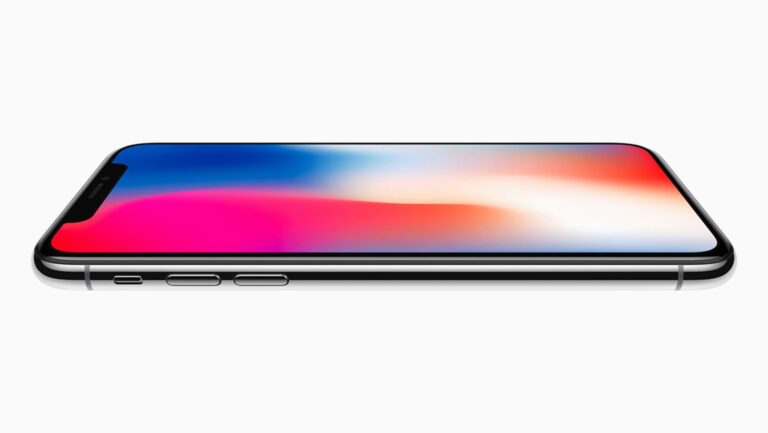
Launched in early 2025, the iPhone 16e is the spiritual successor to the iPhone SE, with a few big differences. Although the iPhone 16e features similar hardware to the more expensive iPhone 16 and iPhone 16 Plus, the handset cost $599 at launch, a higher launch price than the iPhone SE models that preceded it. However, the iPhone 16e introduced an all-screen design for the budget iPhone, replacing (and effectively abandoning) the Home button design. In early 2026, Apple launched its successor, the iPhone 17e, which brings several improvements over the iPhone 16e model without a price increase. The iPhone 16e is no longer available in Apple’s lineup, but the iPhone maker is selling refurbished iPhone 16e versions starting at $419. This may seem like a good deal to some iPhone buyers, while others might be more interested in paying a little extra for the iPhone 17e, or even spending more money for the $799 iPhone 17, the best-selling device of the current generation.
In other words, we should not dismiss the iPhone 16e too quickly a year after its launch. The phone is worth buying in 2026, considering its premium build quality and premium hardware that should keep the device relevant and usable for several more years. The $419 starting price for a refurbished device is particularly attractive given that you would be purchasing the device directly from Apple. A refurbished phone has been inspected by Apple technicians, comes with a warranty, and is eligible for AppleCare+ for additional coverage. On the other hand, given the $419 starting price Apple charges for refurbished devices, buyers can also expect better deals from other retailers that still have stock or used marketplaces that sell iPhones.
Who should buy iPhone 16e in 2026?

The iPhone 16e may be a great choice for an iPhone buyer who doesn’t need all the features of one of the more expensive iPhone 17 models, but wants a less expensive device with reliable hardware that can last a few years. The iPhone 16e features a 6.1-inch all-screen display with a notch instead of the Dynamic Island seen on more expensive models. On the back, the phone has a single camera (48-megapixel wide-angle lens). The back panel is glass, but does not support MagSafe. The battery provides up to 26 hours of video playback, according to Apple’s ratings, which matches the iPhone 17e’s battery life estimate.
The spec that may really matter to iPhone buyers who might find the $419 price appealing is the A18 processor that Apple also used for the standard iPhone 16 and iPhone 16 Plus. The chip features the same 6-core processor, 16-core neural engine, and 8GB of RAM, making the iPhone 16e compatible with the Apple Intelligence platform. The iPhone 16e comes with iOS 18 and can be updated to iOS 27. It’s likely that the handset will get another four or five years of software support, given that the 2019 iPhone 11 series will also support iOS 27. That’s a good incentive to buy a relatively affordable mid-range iPhone that can deliver flagship performance at a time when the memory and storage crisis has forced smartphone vendors to raise handset prices.
Finally, the iPhone 16e may also be a good choice for teens getting their first iPhone or seniors who want a reliable iPhone for connecting with friends and family, surfing the web, and taking photos.
Who should choose an iPhone 17 version instead?
The iPhone 16e may be even more affordable than Apple’s refurbished price. A brand new model costs $349 at Walmart, if purchased locked to Straight Talk, making the iPhone 16e an even better deal for users who want to save money while still purchasing a powerful smartphone. But the iPhone 16e may not be worth buying, regardless of the deals available, if users want a premium model.
For $599, the new model fixes some of the problems of the iPhone 16e version, as we explained in our iPhone 17e review. The iPhone 17e model has the same overall design but comes with MagSafe support and 256GB of storage. The phone features the faster and more efficient A19 chip, which features a 4-core GPU with neural accelerators instead of just a 4-core GPU for the iPhone 16e model. According to Woozad, the iPhone 17e achieved 3,607 and 9,241 points in Geekbench 6 single-core and multi-core tests, compared to 3,241 and 8,003 points for the iPhone 16e. The iPhone 17e’s scores are almost identical to the more expensive iPhone 17, while the iPhone 16e’s performance is in line with the iPhone 16 and iPhone 16 Plus.
Consumers who want more cameras may want to pay $799 for the base iPhone 17 model, or $1,099 for the iPhone 17 Pro. Additionally, iPhone users who are excited about Apple Intelligence and the new Siri experience in iOS 27 might prefer the iPhone 17 Pro models over cheaper iPhones. The iPhone 16e will run many Apple Intelligence features in iOS 27, including the new Siri experience, but some features will be exclusive to iPhones with 12GB RAM, like Siri voice customization.