Apple removes ability to restore iPhone 5c, iPad Mini and more
Apple has stopped signing several older versions of iOS for a group of older iPhone and iPad models, cutting off opportunities to reinstall or downgrade affected software.
Apple will no longer validate Over-the-Air (OTA) or direct IPSW installations of the builds in question. Once a version is unsigned, there is no way to restore or install it through Finder or iTunes.
The change is more limited than a typical signature update. Apple has not stopped signing iOS versions itself. Instead, it ended the signing of baseband firmware, the low-level software that runs each device’s cellular modem, tied to these versions.
The affected versions cover iOS 6 to iOS 10. The full set of devices and versions that can no longer be restored are as follows:
- iPhone 4 (CDMA): iOS 7.1.2 IPSW installations
- iPhone4S: iOS 6.1.3 and iOS 8.4.1 OTA installations, as well as iOS 9.3.5 and iOS 9.3.6 IPSW installations
- iPhone 5 (GSM and CDMA): iOS 8.4.1 OTA installations, plus iOS 10.3.3 and iOS 10.3.4 IPSW installations
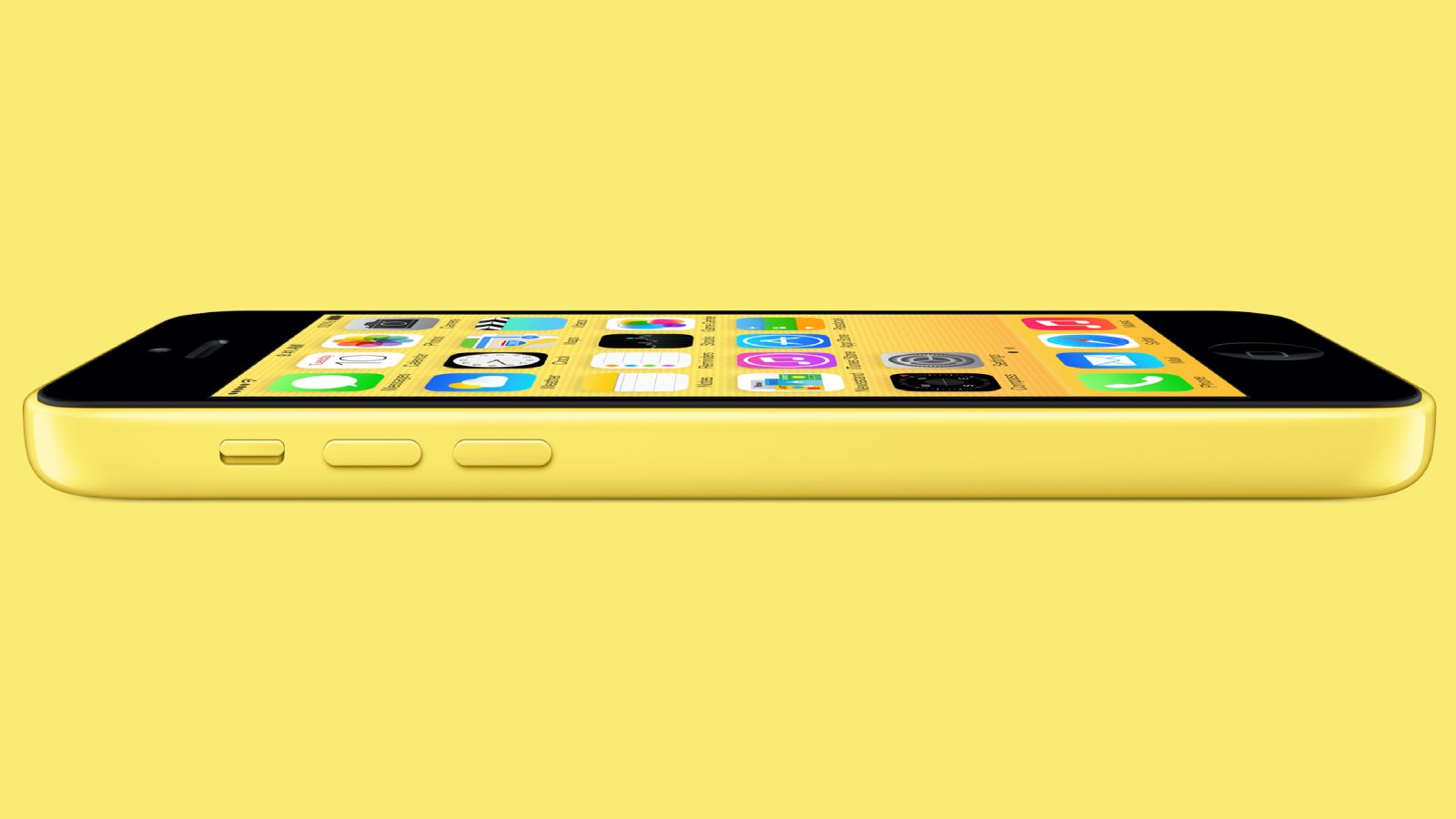
- iPhone 5c (GSM and CDMA): iOS 10.3.3 IPSW installations
- iPad 2 (Wi-Fi + 3G, CDMA): iOS 6.1.3 and iOS 8.4.1 OTA installations, as well as iOS 9.3.5 and iOS 9.3.6 IPSW installations
- iPad 3rd generation (GSM and CDMA): iOS 8.4.1 OTA installations, plus iOS 9.3.5 and iOS 9.3.6 IPSW installations
- iPad 4th generation (Wi-Fi + Cellular): iOS 8.4.1 OTA installations, plus iOS 10.3.3 and iOS 10.3.4 IPSW installations
- iPad mini (Wi-Fi + Cellular): iOS 8.4.1 OTA installations, plus iOS 9.3.5 and iOS 9.3.6 IPSW installations
It is telling that each model affected by the change is a cellular variant. Wi-Fi-only iPads aren’t affected, because they don’t carry a cellular modem and so there’s no baseband to connect in the first place.
The oldest hardware on the list is the iPhone 4 CDMA, which never got past iOS 7.1.2, while the most recent versions affected are iOS 10.3.3 and iOS 10.3.4 on the iPhone 5 and fourth-generation iPad.
For context, Apple didn’t split iOS and iPadOS until iPadOS 13, so these much older iPad versions were all running iOS at the time.
One of the most interesting entries is the OTA version of iOS 8.4.1, which Apple had continued to sign to serve as a springboard. Some devices had to go through iOS 8.4.1 to upgrade to iOS 9, and the same version signed gave owners a path back if they wanted to go back. This fallback is now disappearing for almost every device on the list, from the iPhone 4S to the iPhone 5.
An already operational device with its current firmware continues to function normally, but owners lose the option of a new installation if that firmware fails. It also closes the door to restores for anyone keeping old hardware for testing applications, checking compatibility, or retaining software.
Signature changes like this typically target the latest versions, often arriving days after a major security patch for a current version of iOS or iPadOS. Extracting signatures for ten-year-old versions on aging devices is rarer, and it only affects a tiny fraction of users in 2026, since everything on the list is more than ten years old.