2007 vs. Apple iPhone 2026: what has changed over the years?
Nearly 20 years ago, Apple launched the very first iPhone, which would continue to be its current success. It was completely different from other mobile phones of the time, largely due to its bold decision to do away with the then-common physical keyboards and opt for a fully touchscreen. This gave users a unique experience, soon copied by several (eventually) iconic Android phones that emerged with similar features to ride the touchscreen wave.
Today, almost two decades later, the iPhone is still thriving and its popularity continues to grow. In September 2026, in fact, Apple launched its latest model, the iPhone 18 series. Twenty years of technological advances naturally place the iPhone of 2026 well ahead of its 2007 counterpart. But what exactly has changed over the years? A quick overview of the major developments in terms of hardware and software between the iPhone 2007 and the iPhone 2026 (more precisely the iPhone 18 Pro Max).
Hardware: How the iPhone design changed from 2007 to 2026
Take a look at the iPhones from 2007 and 2026 and you’ll immediately notice that the biggest change between the two is screen size. The first generation iPhone sported a 3.5-inch multi-touch display with a resolution of 480 x 320 pixels and a density of 163 pixels per inch (ppi). It was revolutionary at the time, but compared to the last generation iPhone’s 6.9-inch OLED display with 2868 x 1320 resolution and 460 ppi density, the difference is definitely night and day.
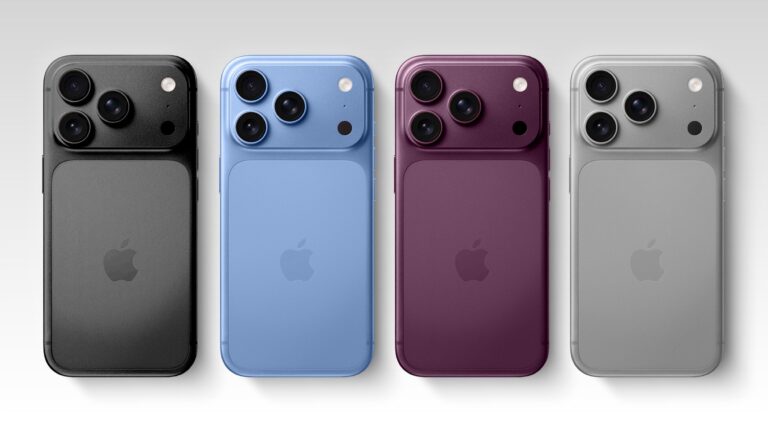
The same day/night difference is evident in the cameras of both iPhones. While the 2007 iPhone had a single two-megapixel (MP) rear camera, the 2026 iPhone features four cameras: a 48 MP primary rear camera with variable aperture, a 48 MP ultra-wide rear camera, a 48 MP rear telephoto camera, and an 18 MP front-facing camera. This modern camera system comes with all kinds of photography-centric benefits, including video recording and push-to-focus.
The way you charge your iPhone is also very different on the 2007 and 2026 models. The very first iPhone used Apple’s proprietary 30-pin Dock connector cable, which fortunately came with the device. Meanwhile, the iPhone 2026 is built with the standard USB-C port for wired charging and MagSafe for wireless charging, so you can now choose between two types of charging methods for modern iPhones. Then there’s connecting to iPhone accessories, including headphones. The 2007 iPhone included a headphone jack at the top of the device. This allows you to use wired headphones even while you’re charging your iPhone. However, Apple removed the headphone jack with the iPhone 7. You can still pair the iPhone 2026 with wired headphones, but they are now connected to the USB-C port, the same one used for charging.
Software: What you can do on the 2026 iPhone versus the 2007 iPhone
iOS has gone through many changes over nearly two decades, bringing new features that have dramatically improved what you can now do on the iPhone. Probably the biggest software upgrade between the 2007 and 2026 iPhones is Siri. When the first generation iPhone was released, Siri was not integrated. In fact, the voice assistant didn’t debut until four years later, with the iPhone 4S. Meanwhile, the iPhone 18 Pro Max comes with the smartest version of Siri yet: Siri AI. Siri AI’s features are powered by artificial intelligence and range from answering basic general knowledge questions to finding your oldest personal photos in the gallery.
Another massive software improvement between the 2007 iPhone and the 2026 iPhone is the App Store. The 2007 iPhone lacked the now widely used App Store, which wasn’t released until a year later, along with the iPhone 3G. So instead of downloading third-party apps, you were stuck with the built-in apps like Safari and whatever web apps were available at that time. On the other hand, the 2026 iPhone has a full-fledged App Store, with almost two million apps for you to choose from. These apps allow you to stream movies, make video calls, and play games, among other things.
Software support between first generation and latest generation iPhones is also very different. The 2007 iPhone only received two major iOS upgrades, which stopped with iOS 3. For the 2026 iPhone, users can expect at least twice as many years of software support. After all, iOS 27 extends support to phones as old as the iPhone 11, released in 2019.